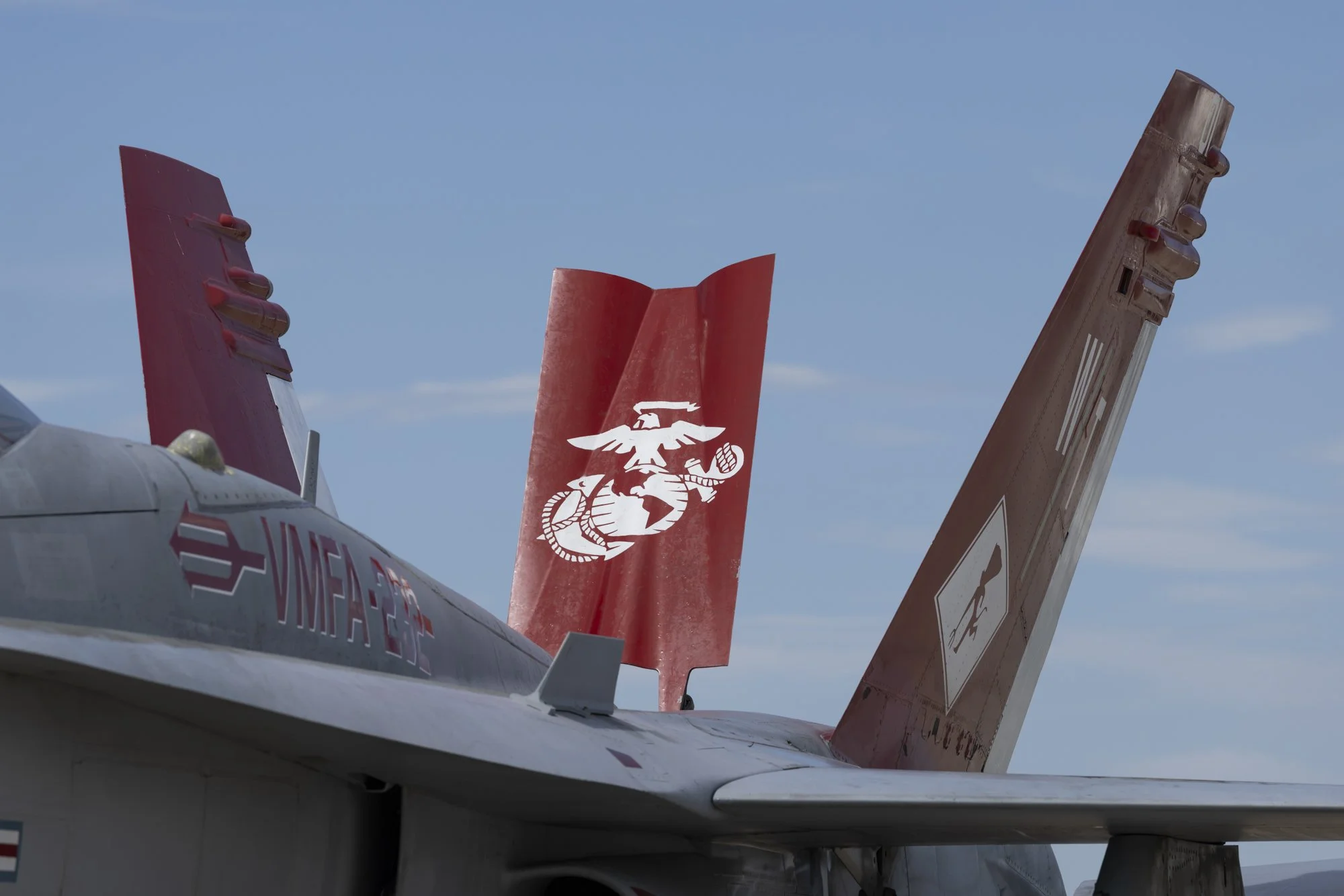
RED DEVILS Legacy Project
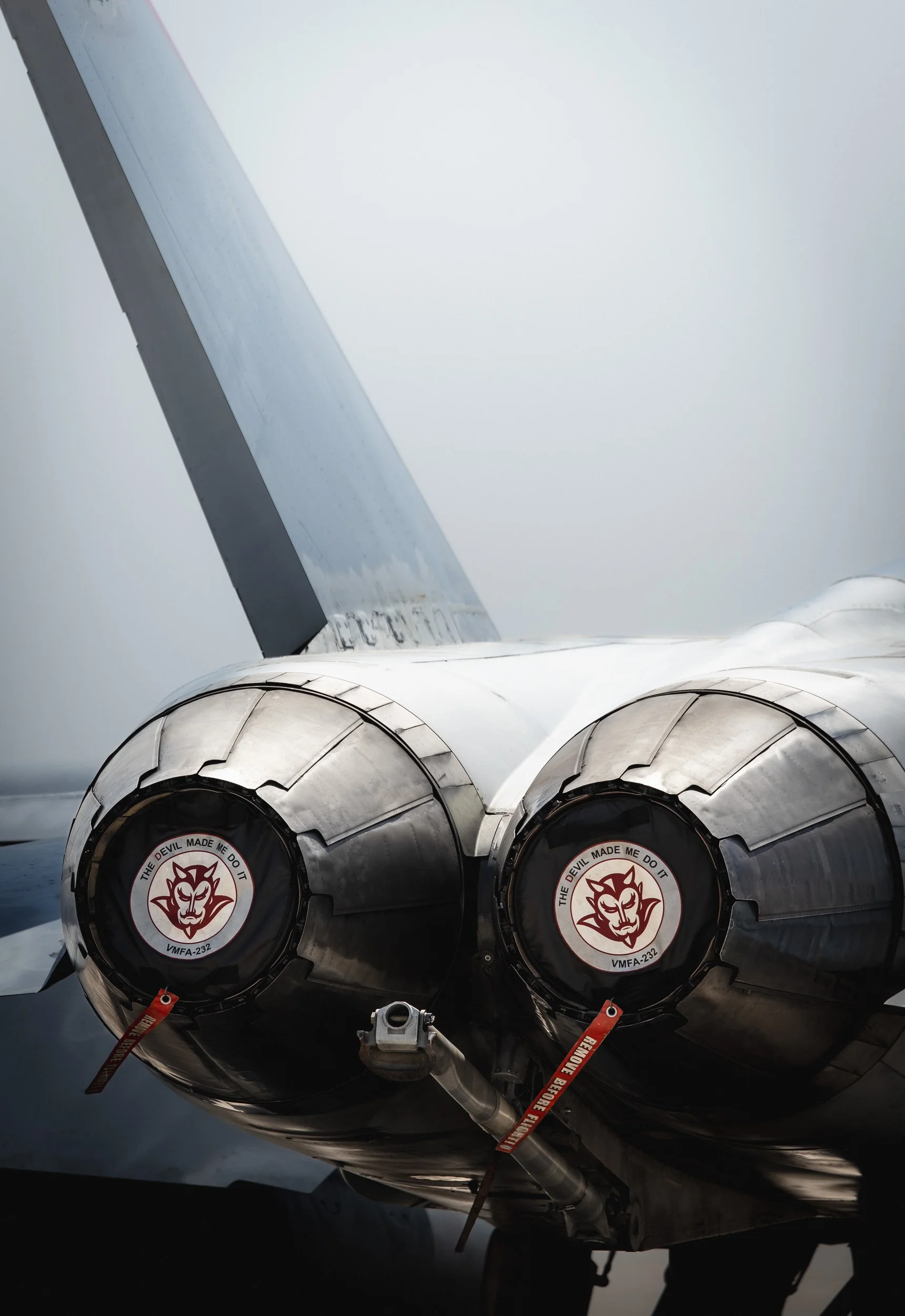
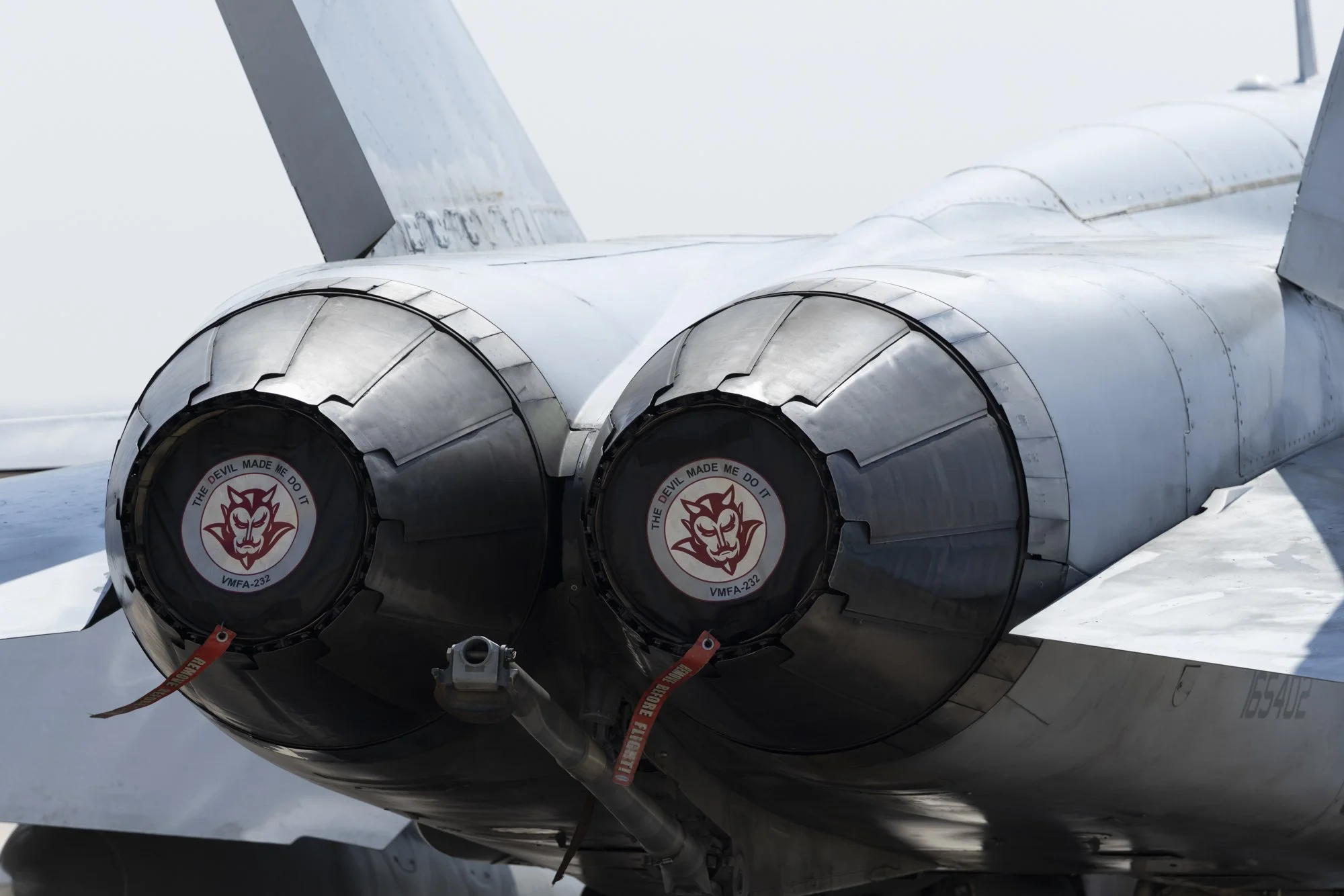
The Devil Made Me Do It
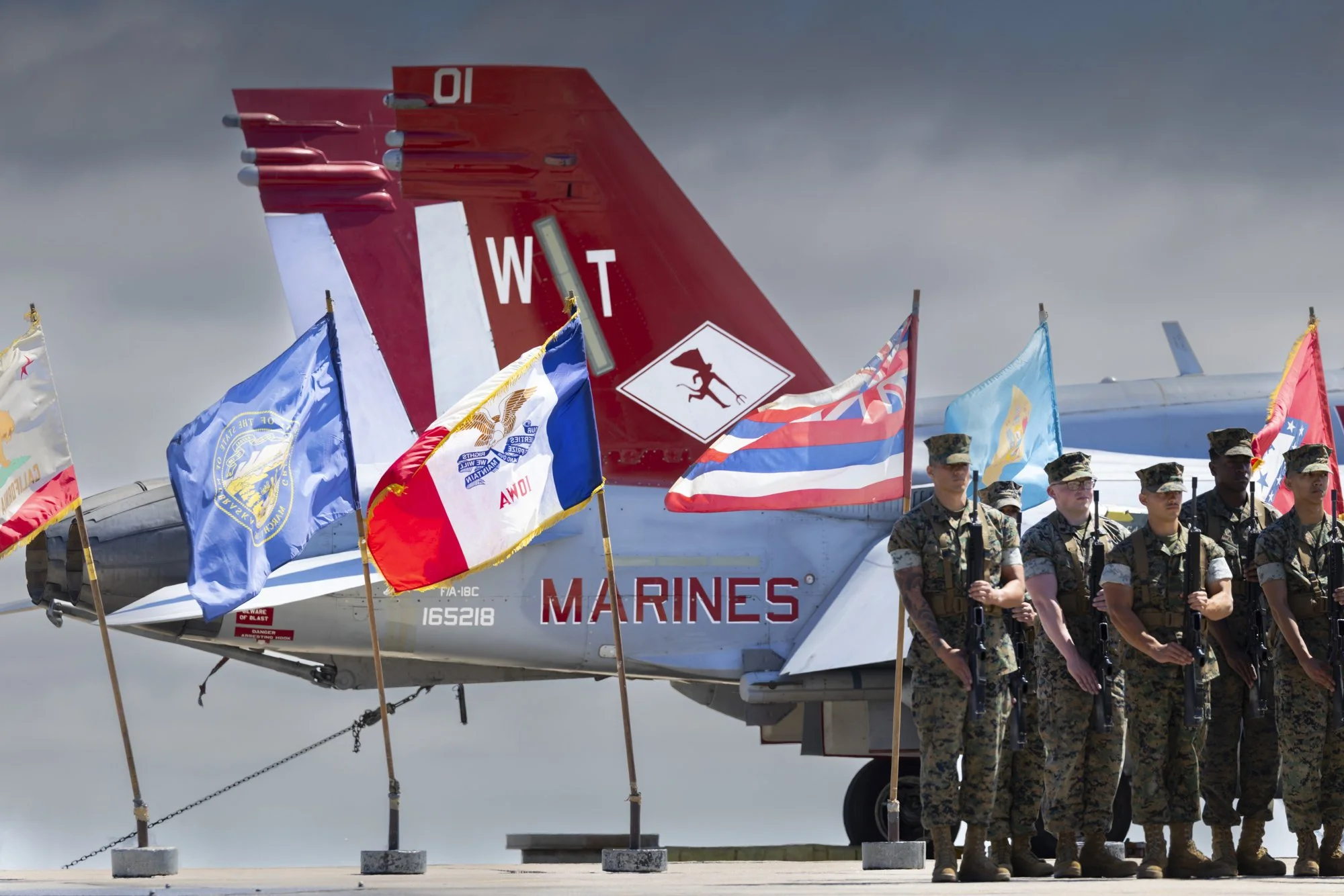
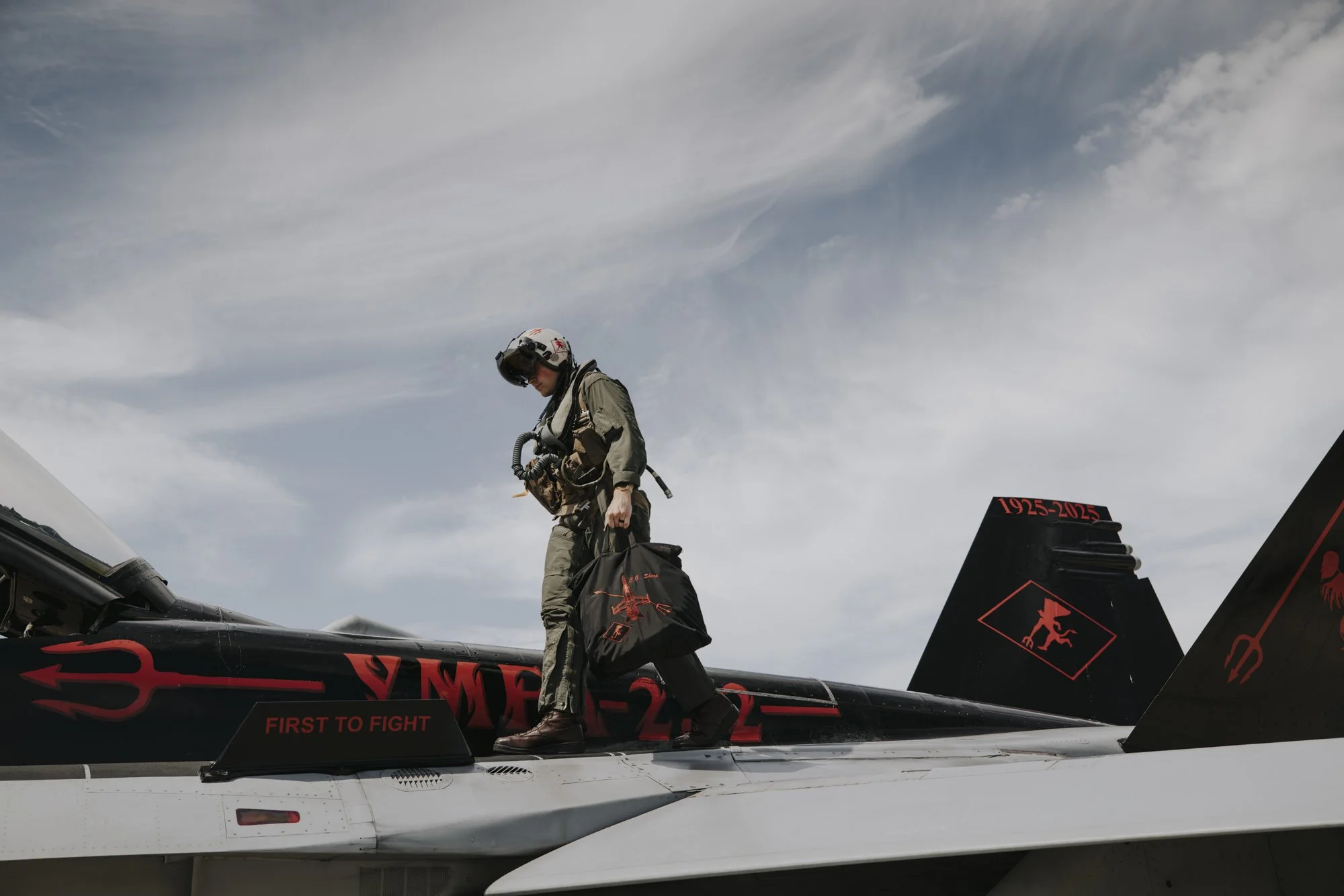
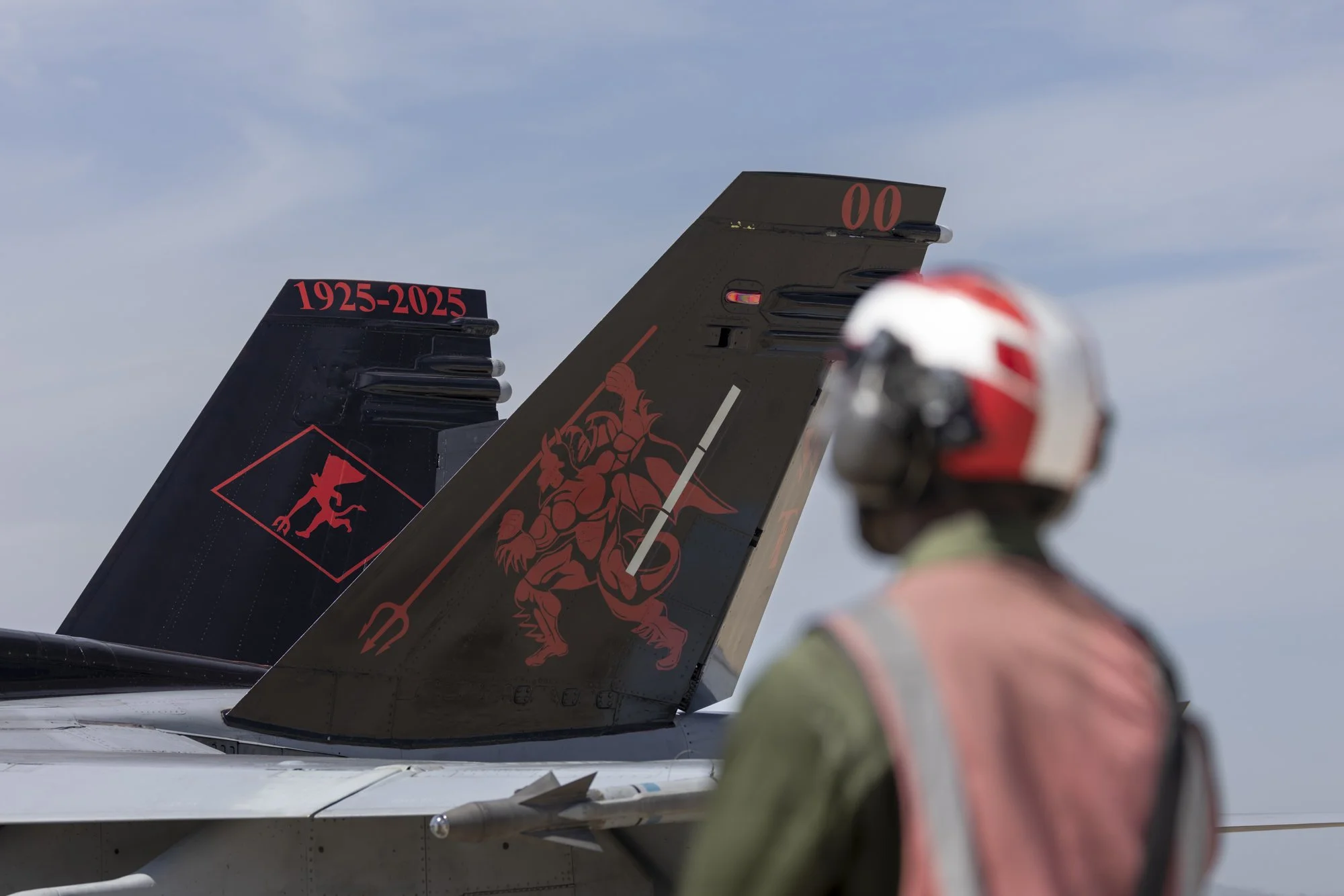
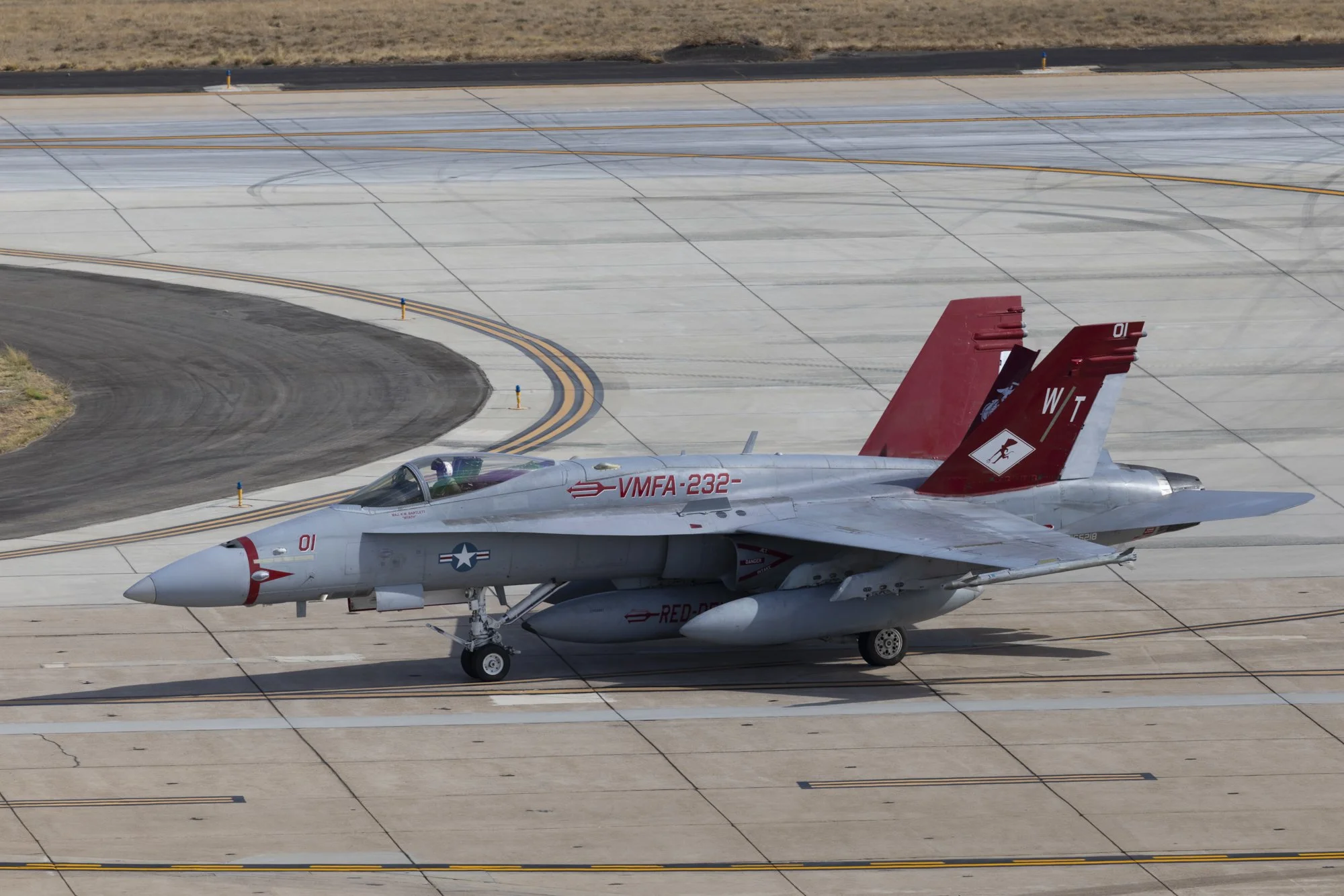
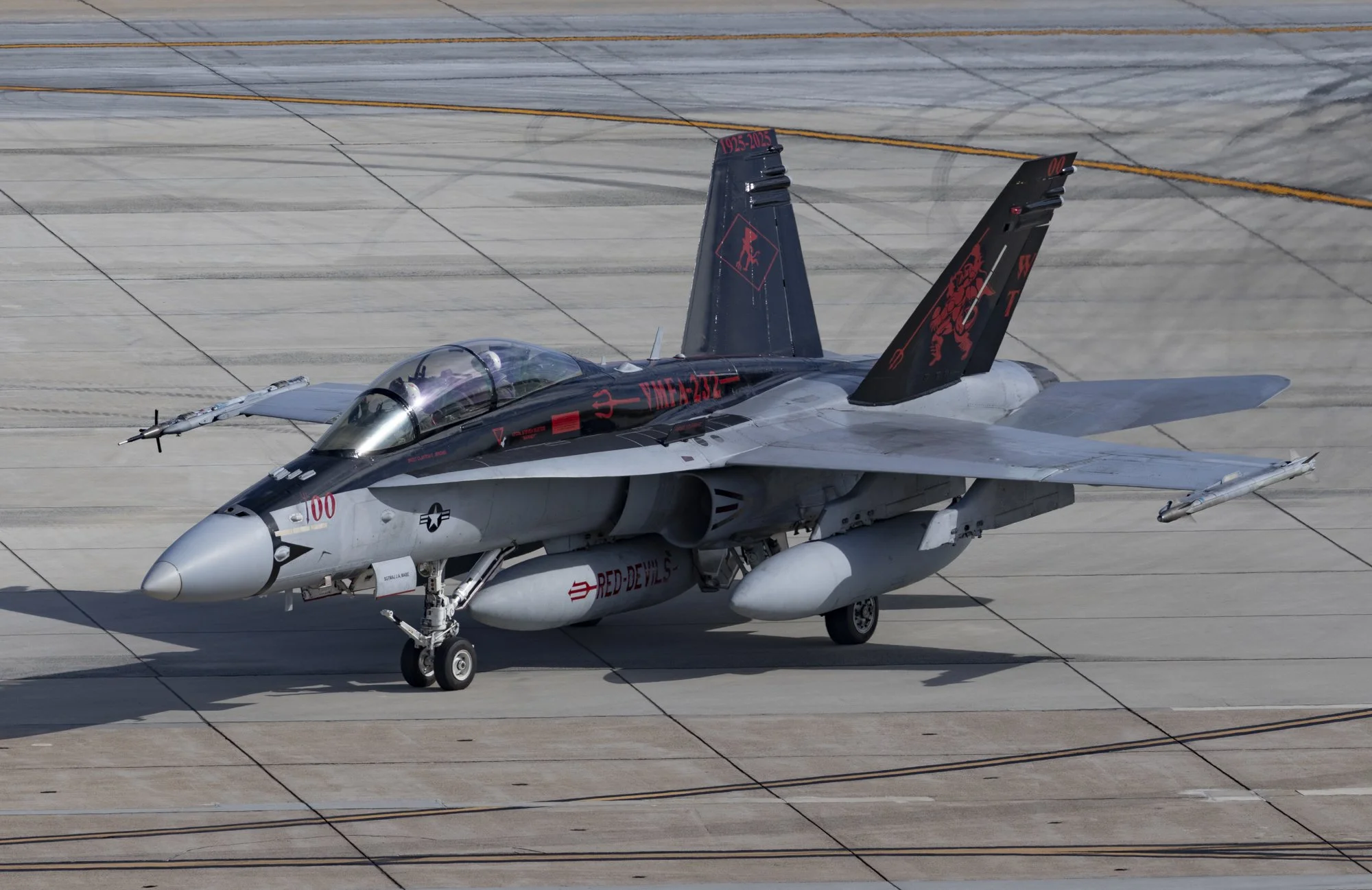
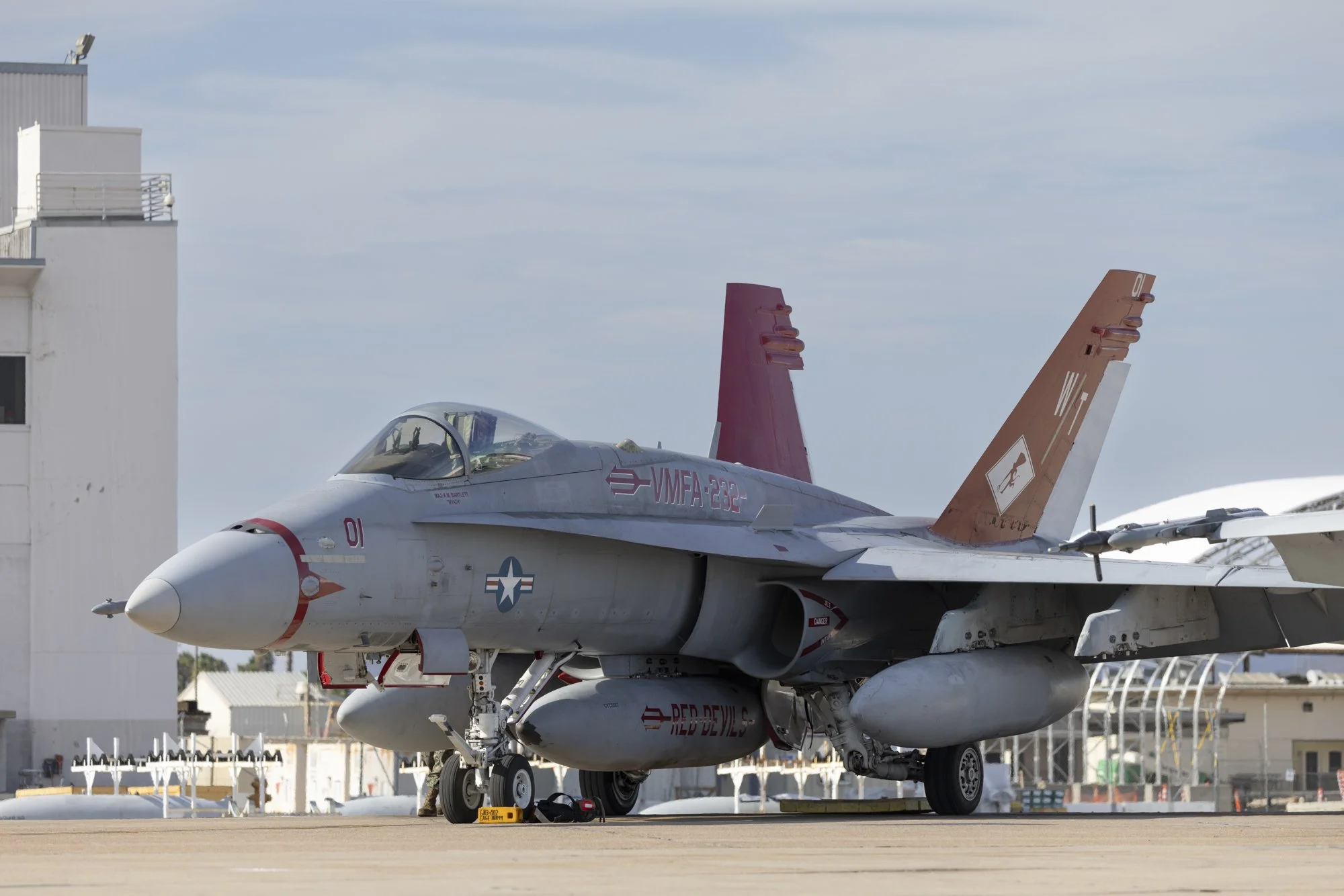
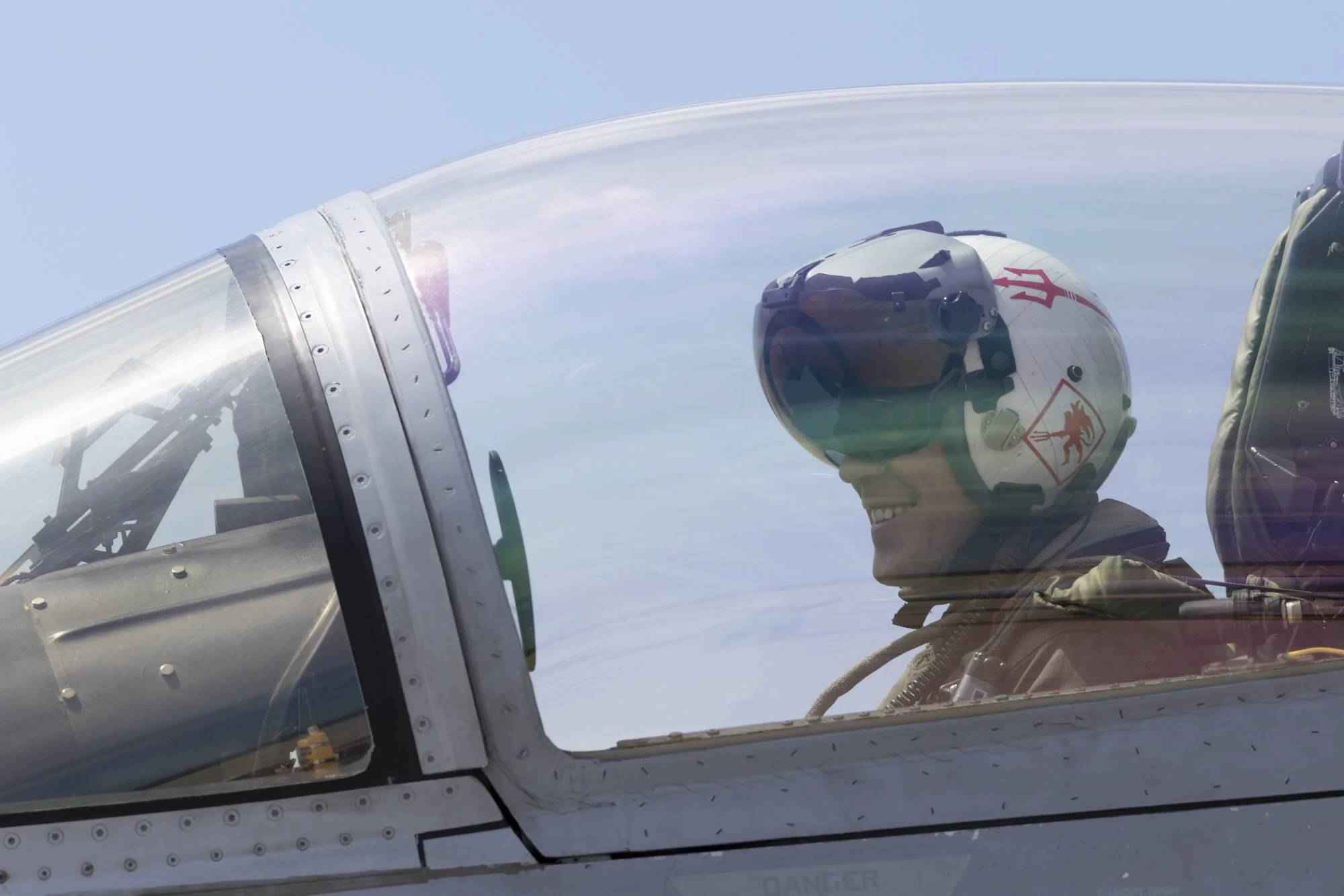
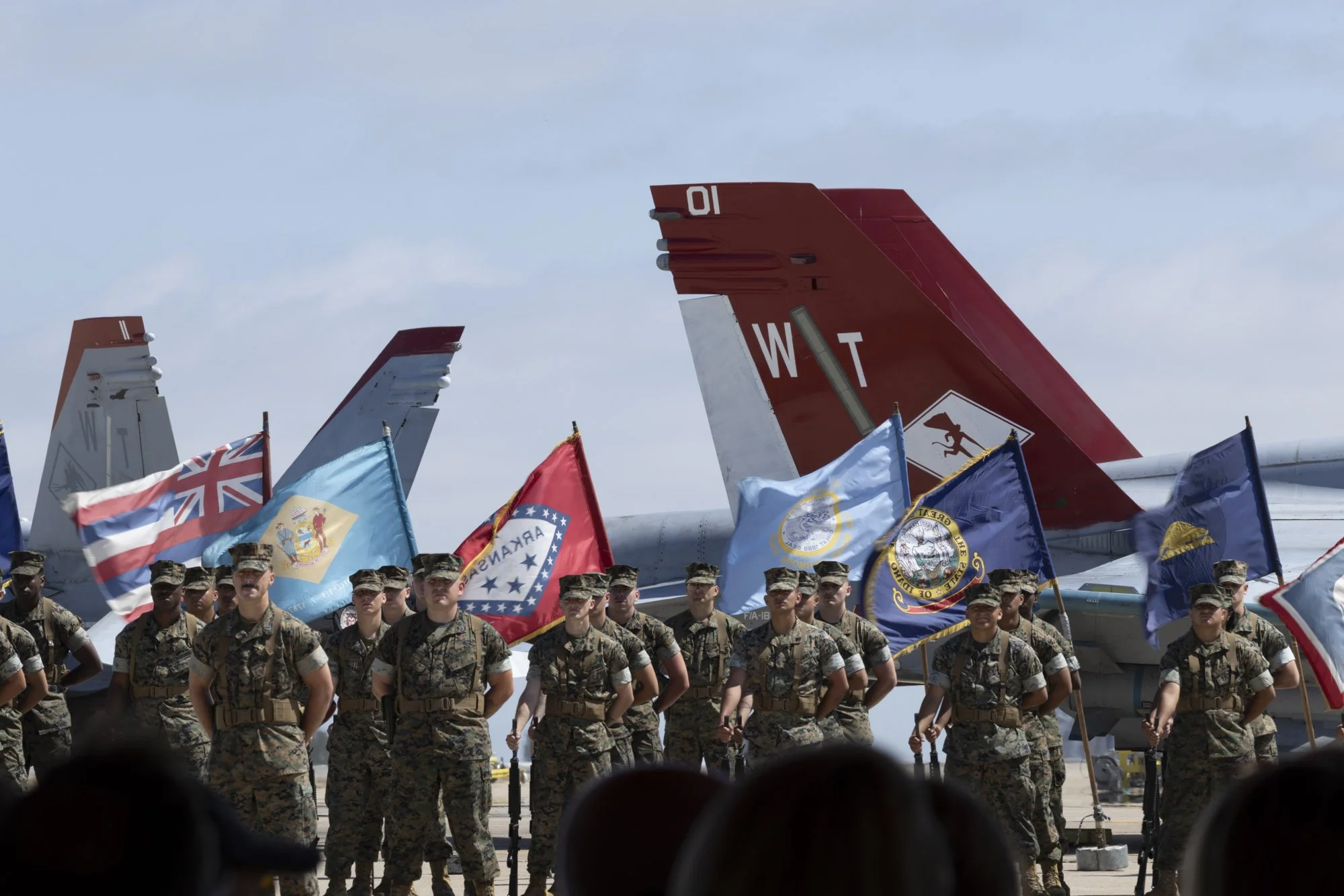
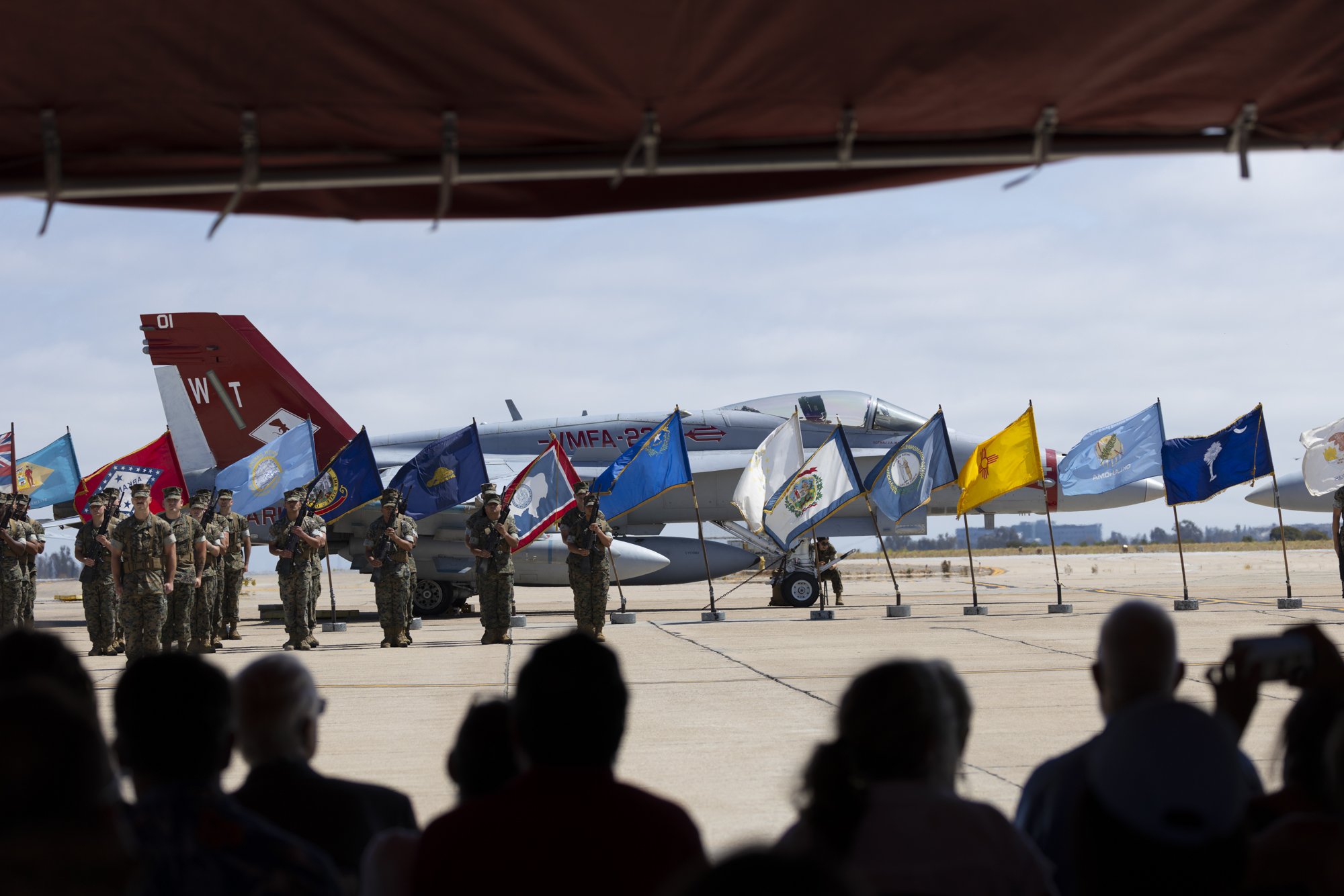
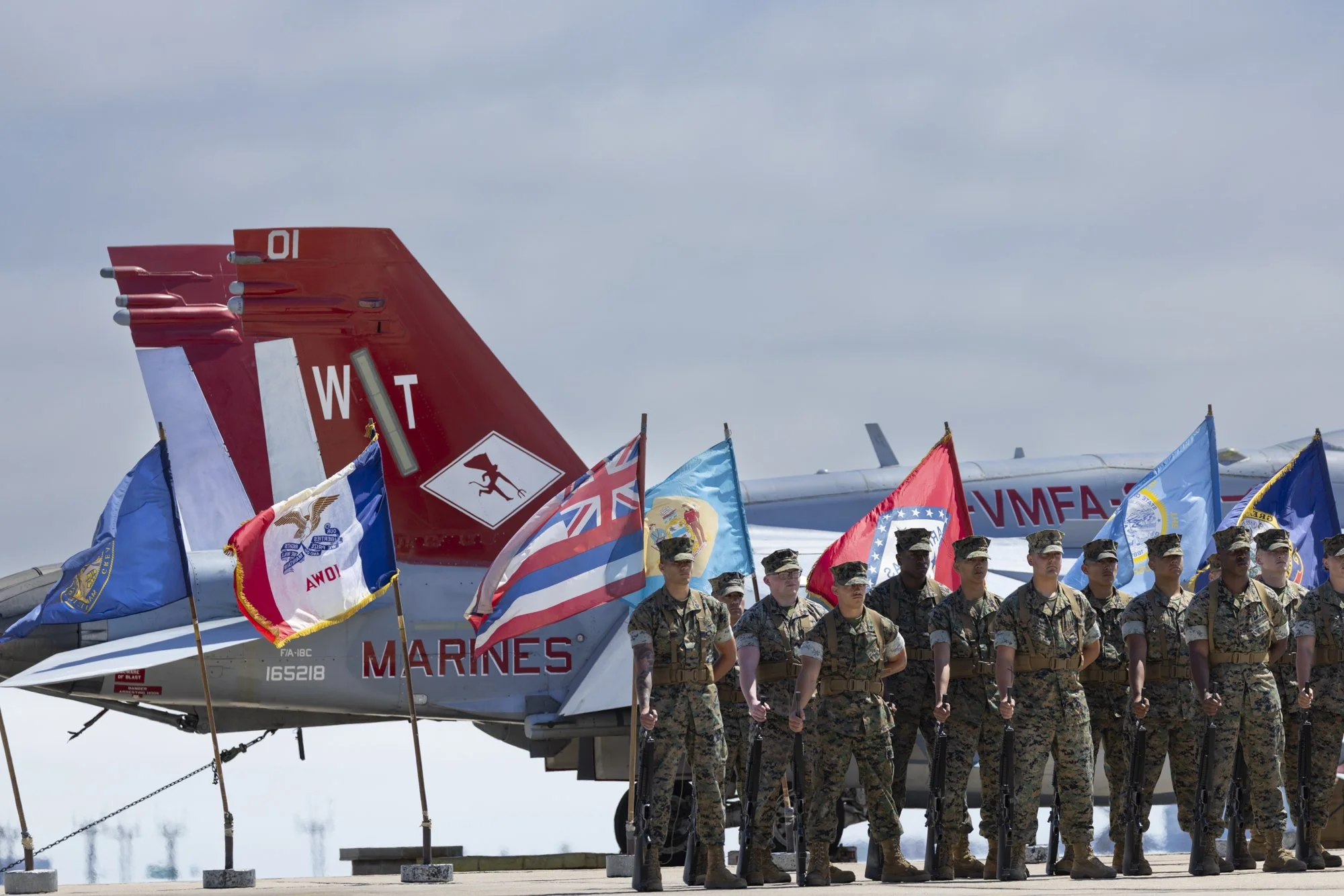
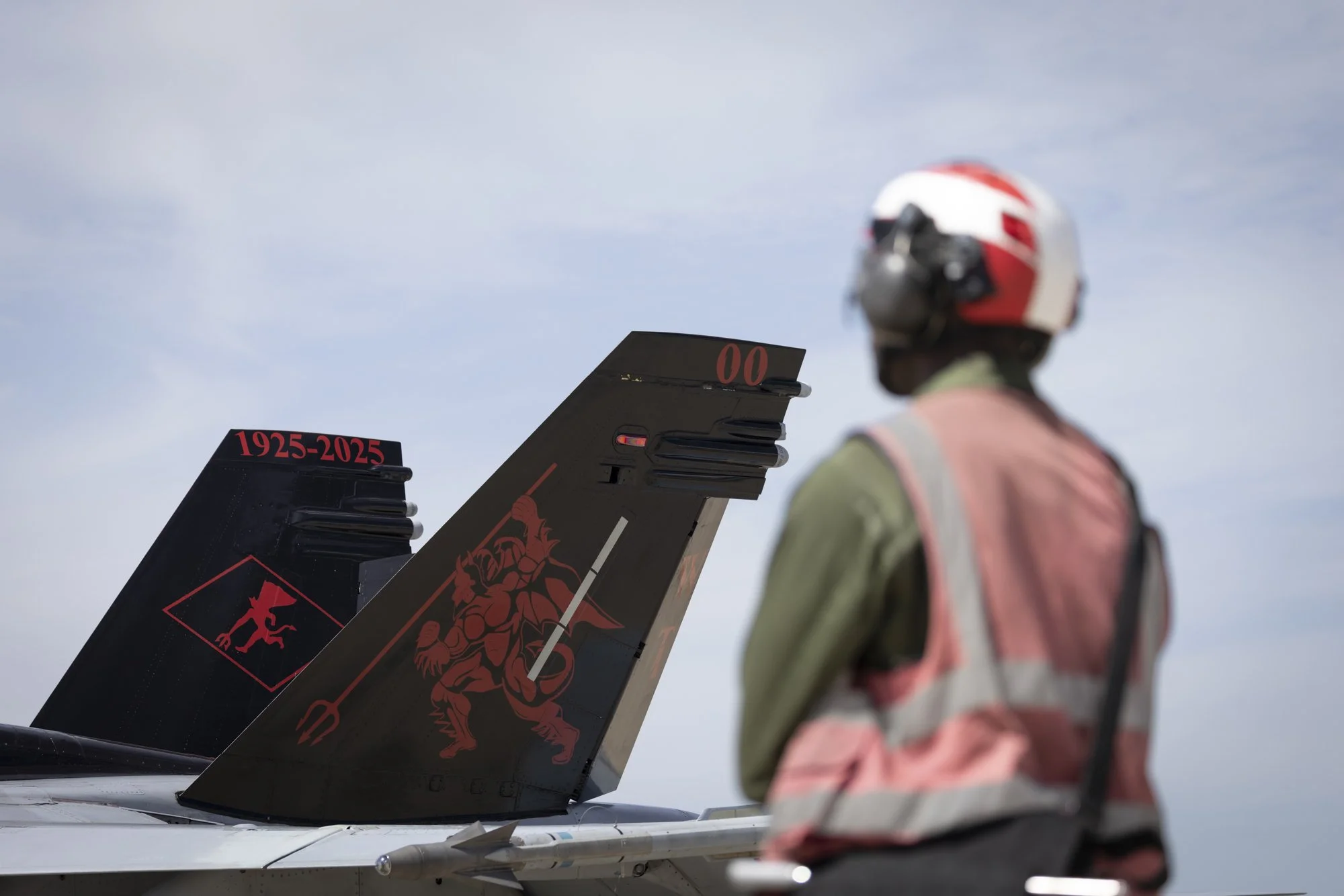
CALLSIGN Magazine is launching a new legacy project: a 120‑page, coffee‑table, collector’s‑edition print issue dedicated entirely to the VMFA‑232 Red Devils and their first hundred years on the razor’s edge of Marine aviation. This special edition will be an immersive, first‑person dive into the squadron’s operations, camaraderie, mindset, and heritage—built from time spent with the squadron in 2025, including an upcoming deployment with them to Iwakuni, Japan, and from extensive interviews with former and current members whose oral histories reach back to the Vietnam era and beyond, the voices of Marines who have worn the patch over the years.
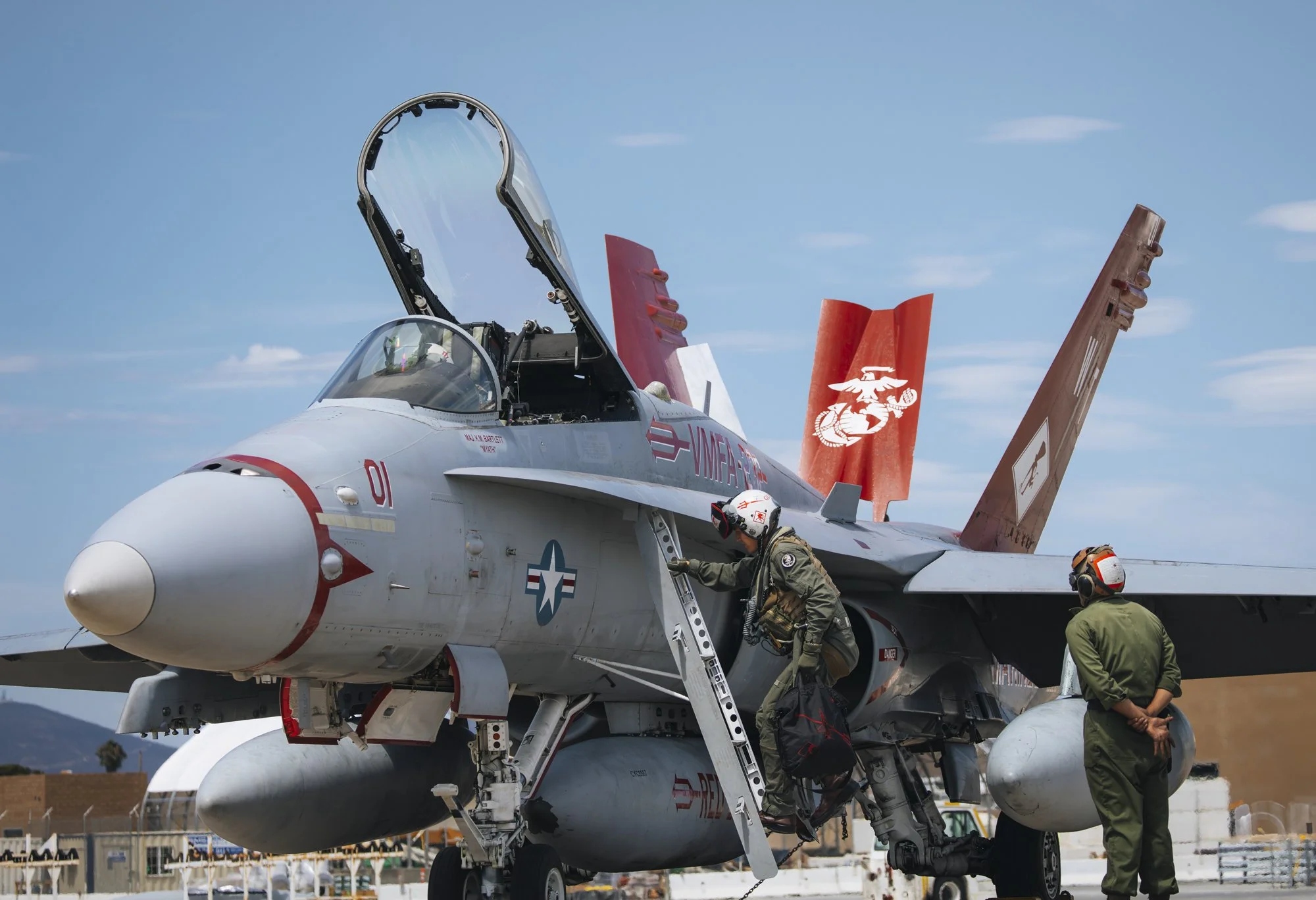
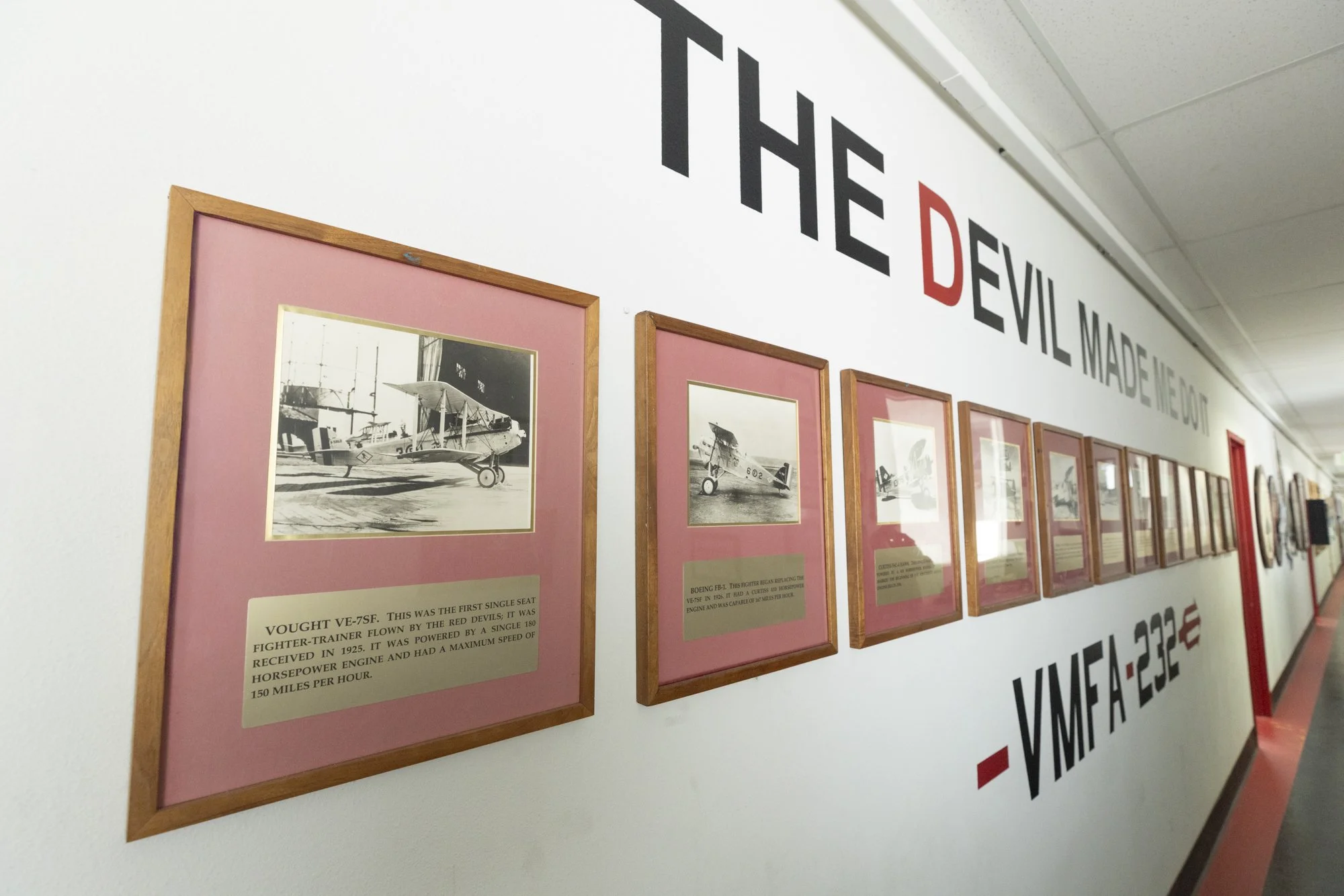
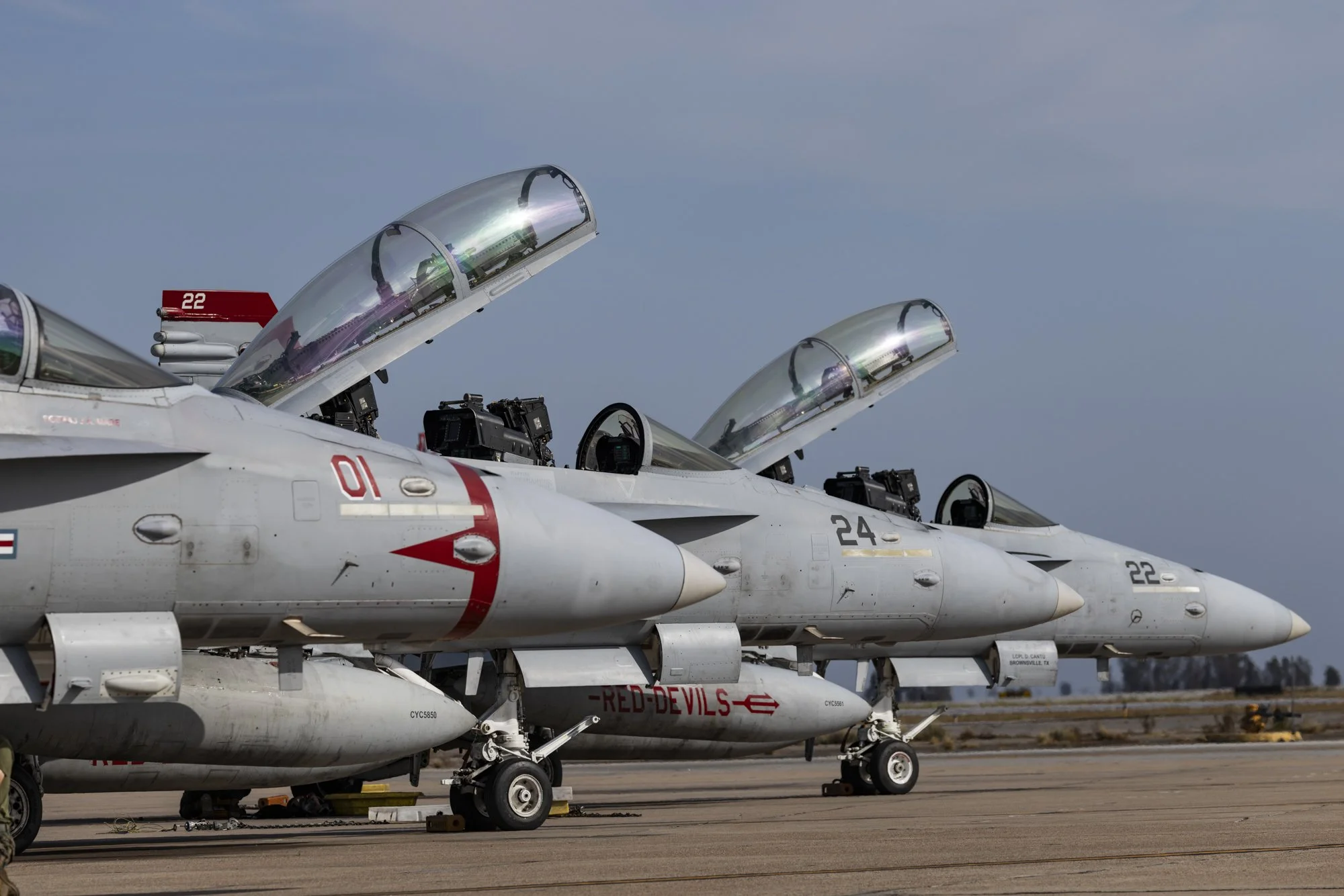
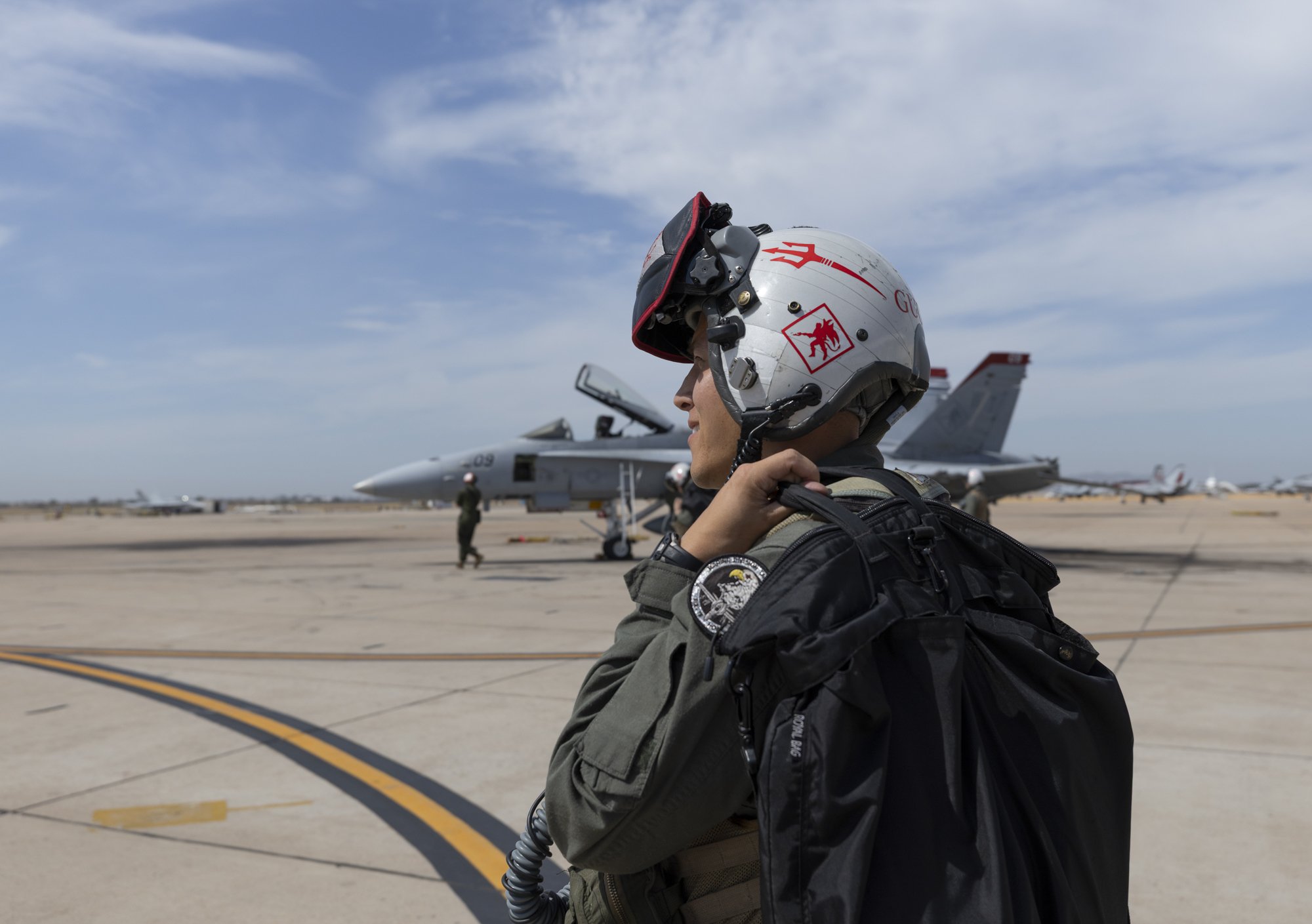
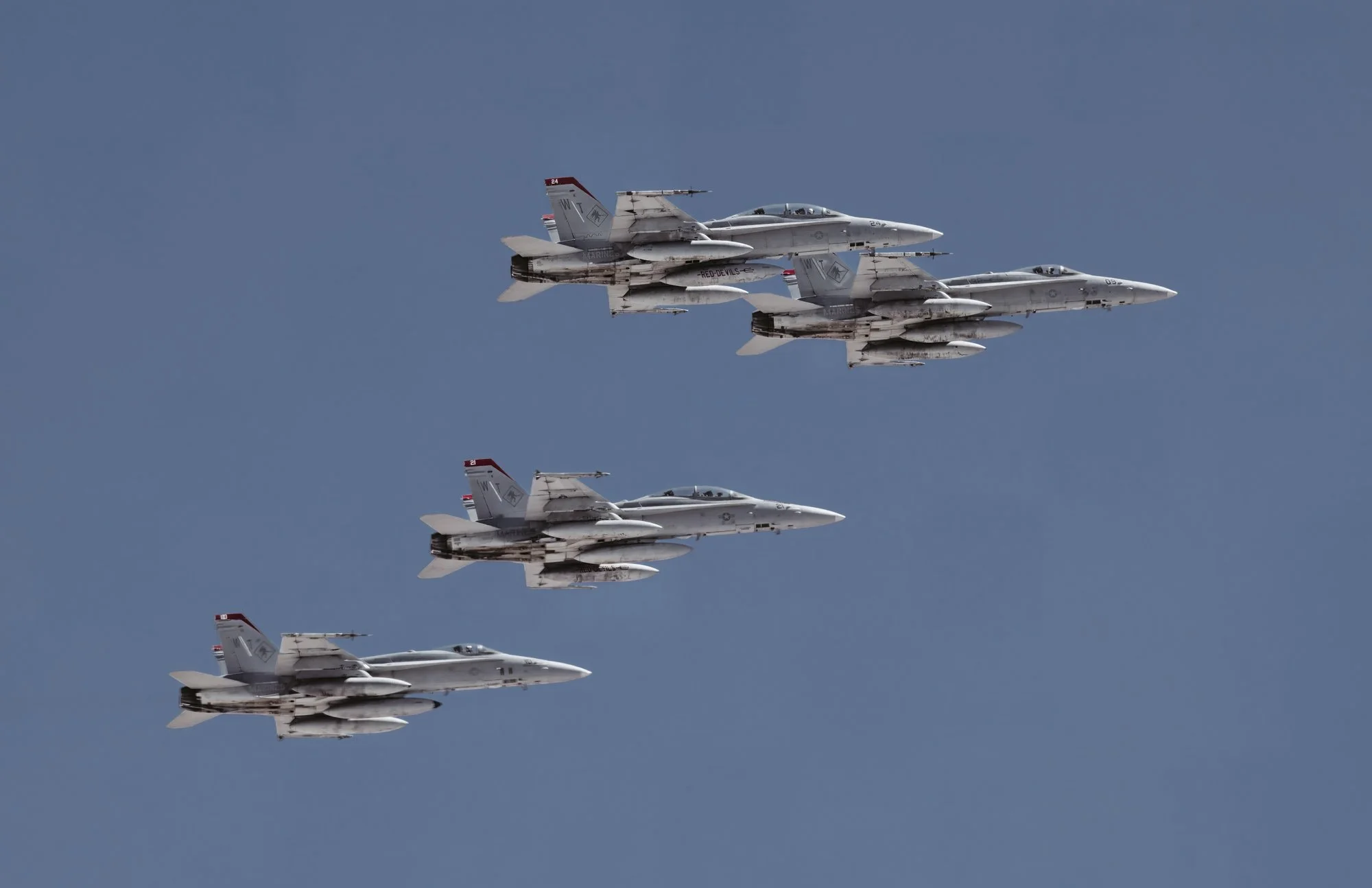
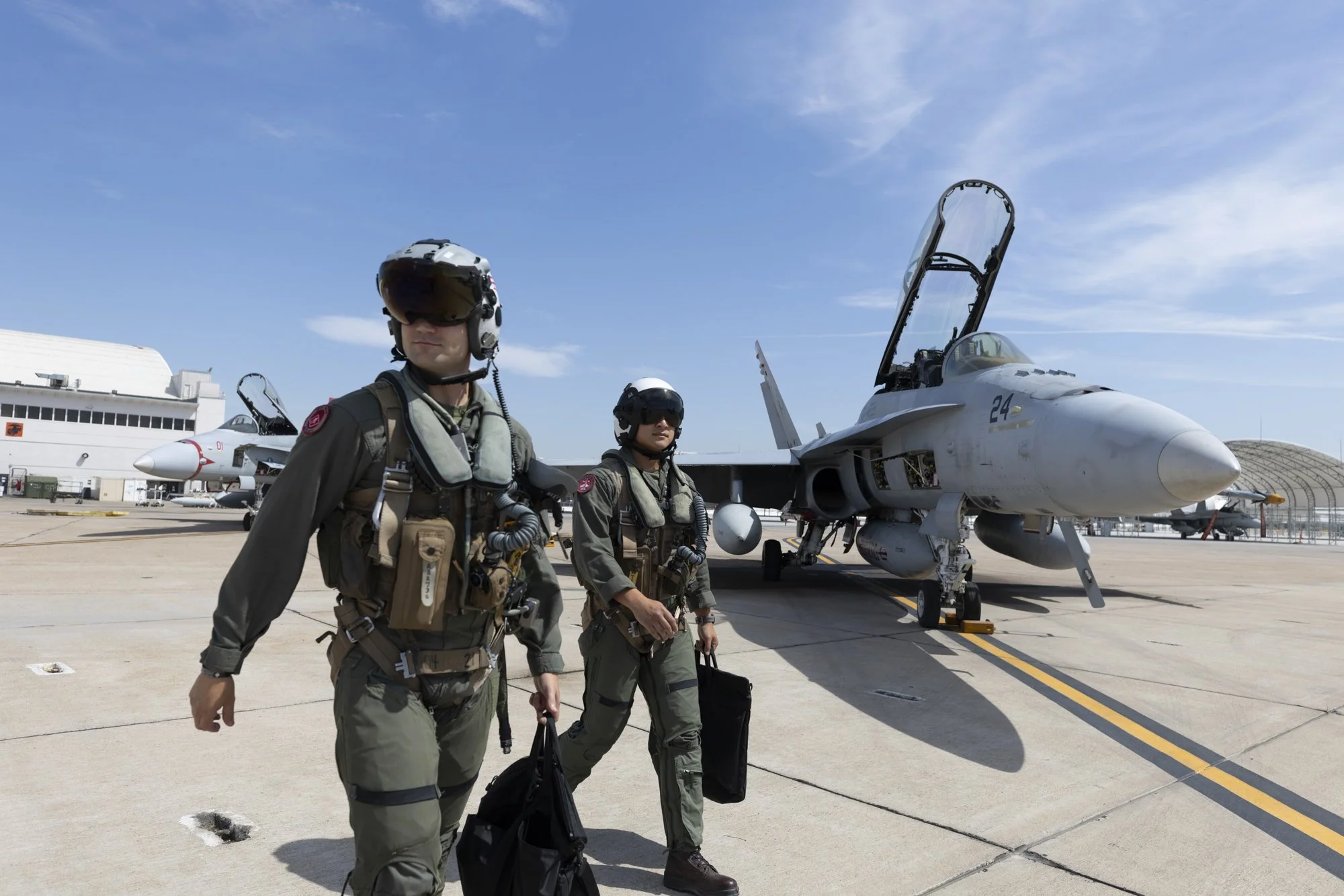
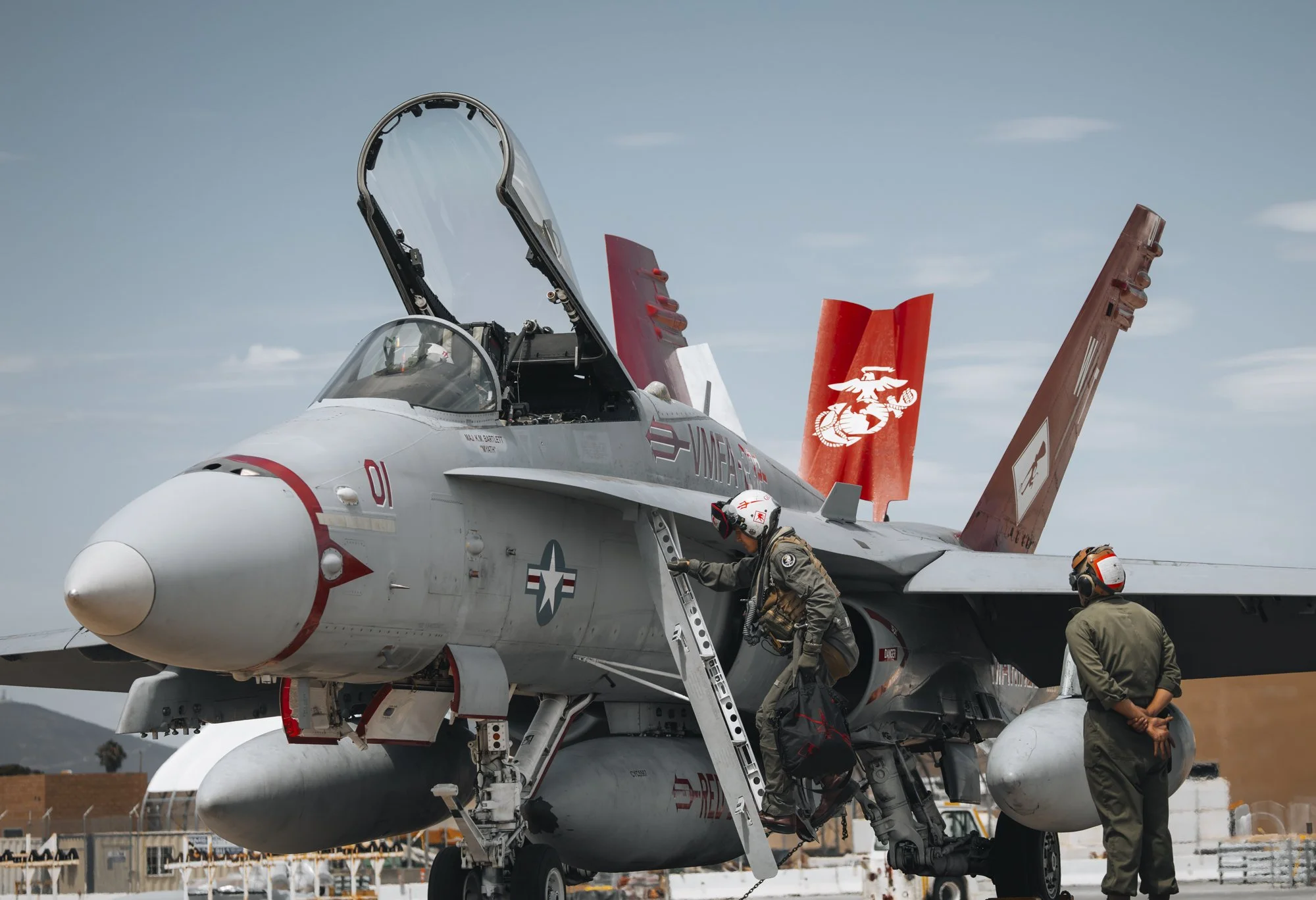
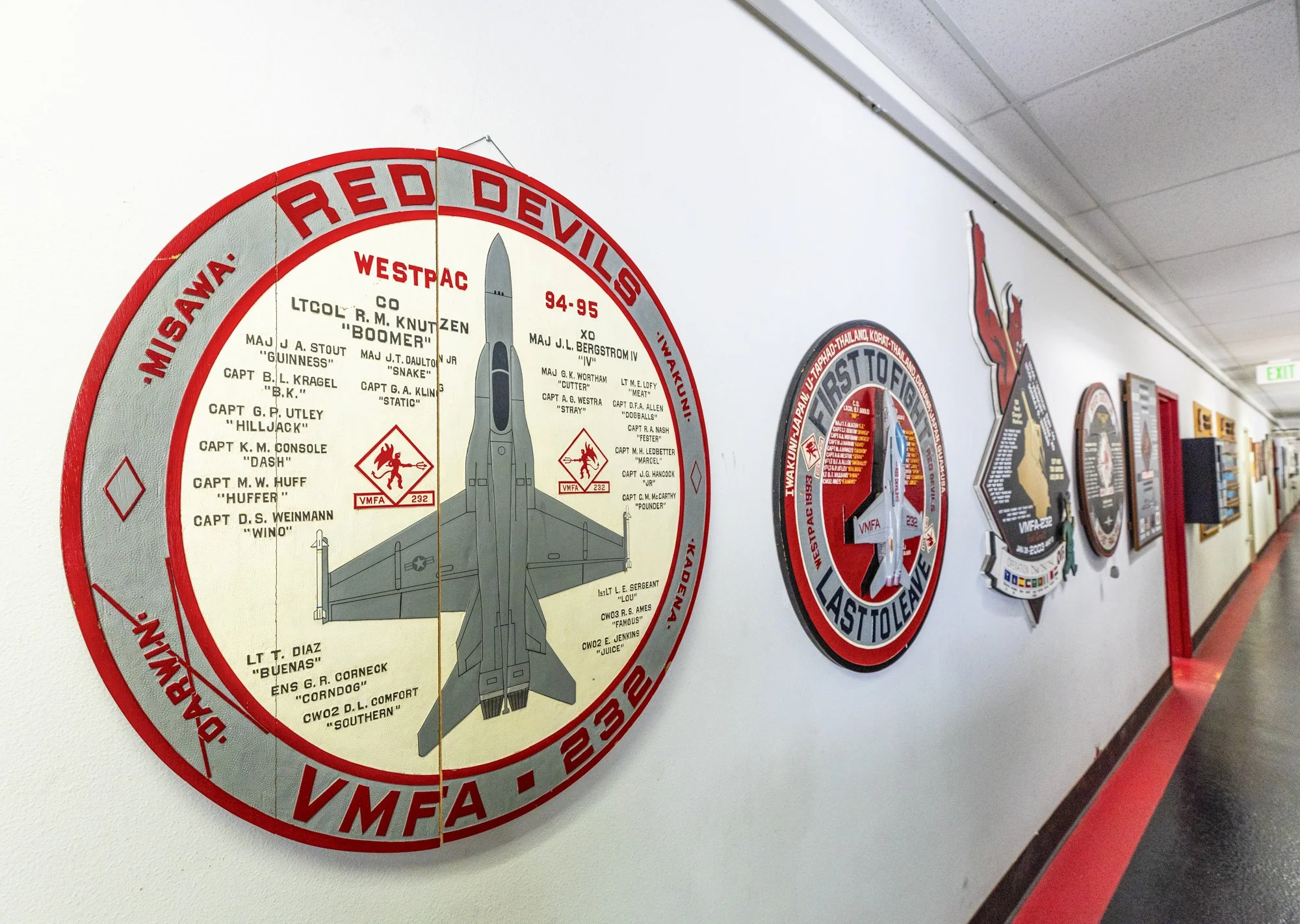
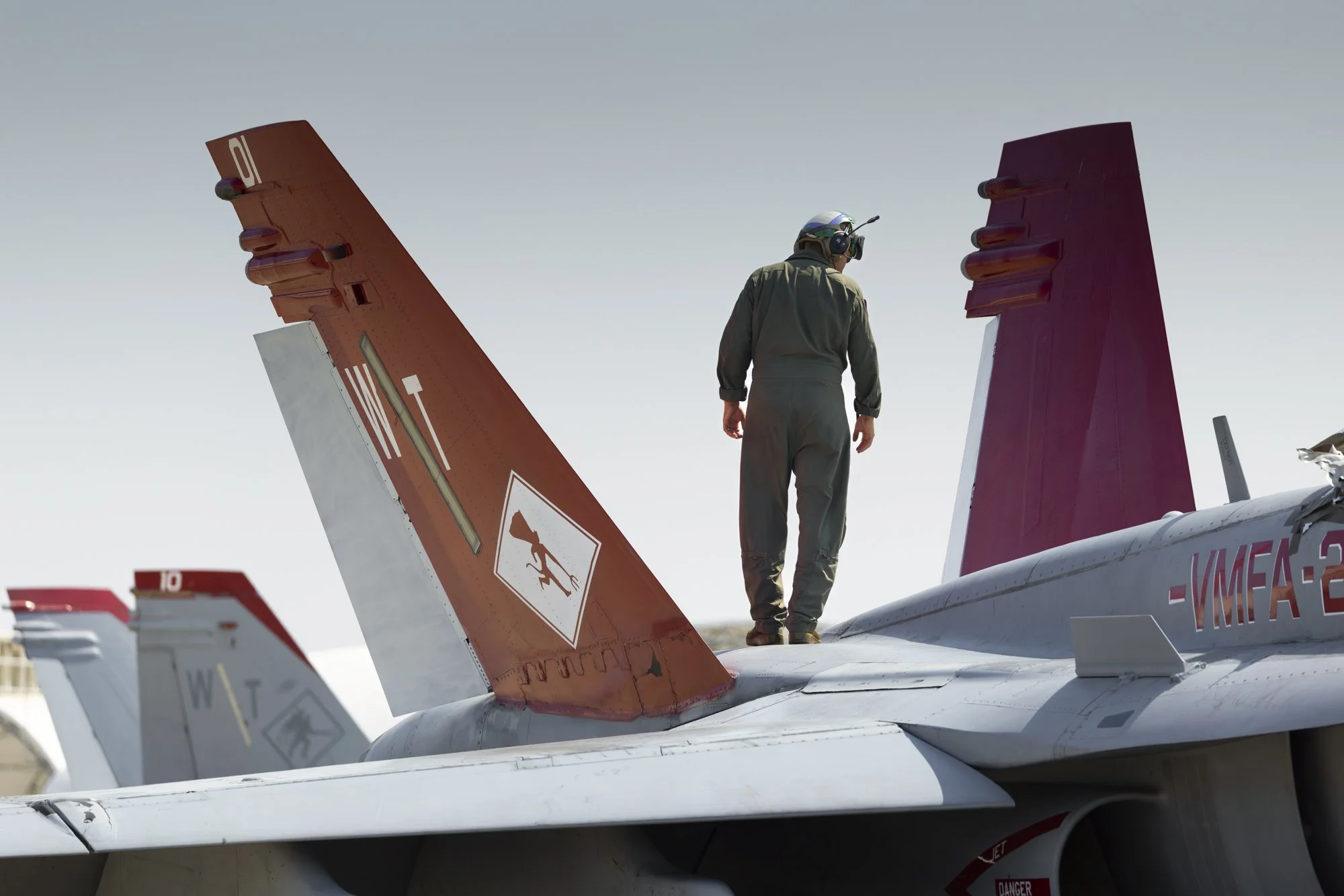
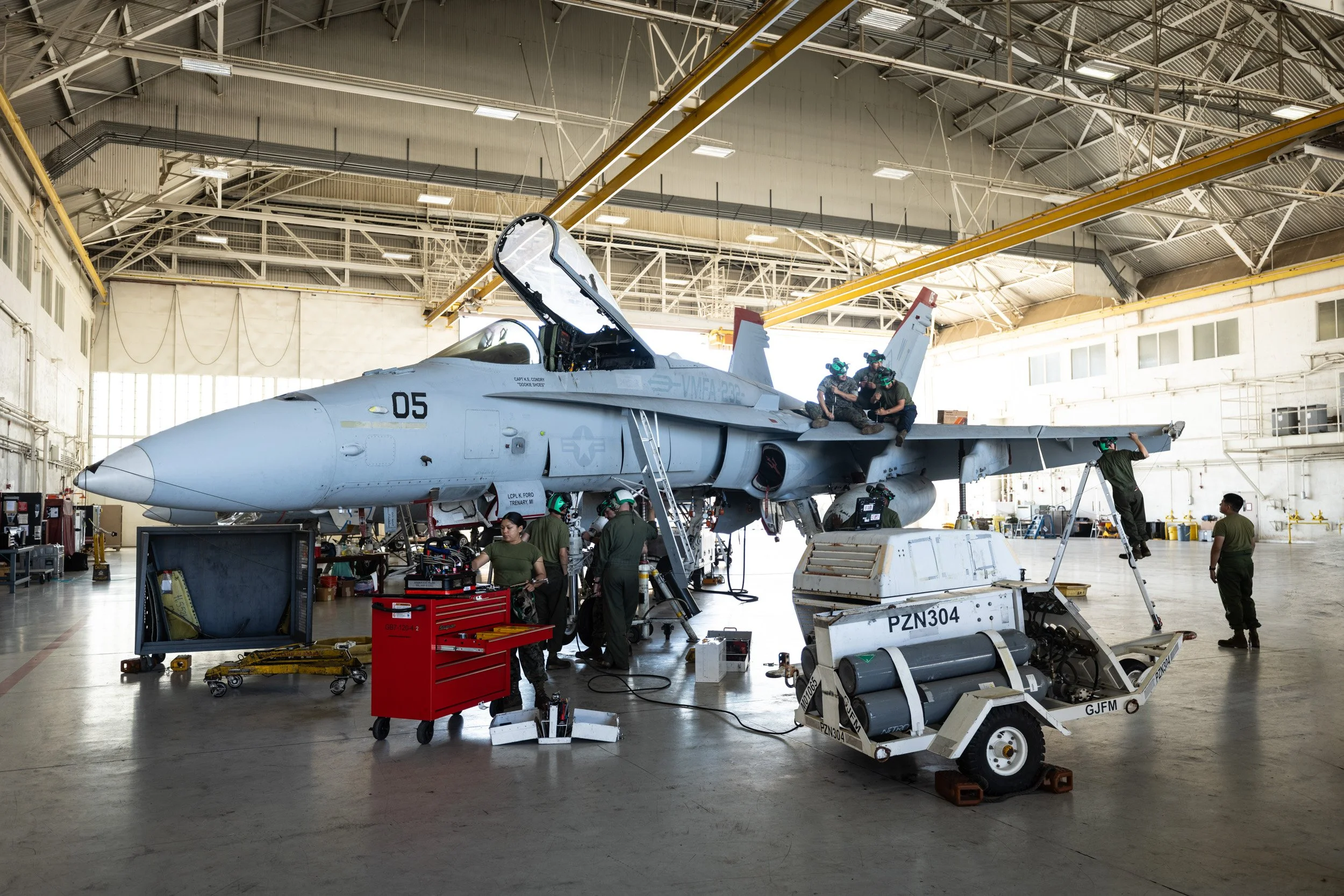
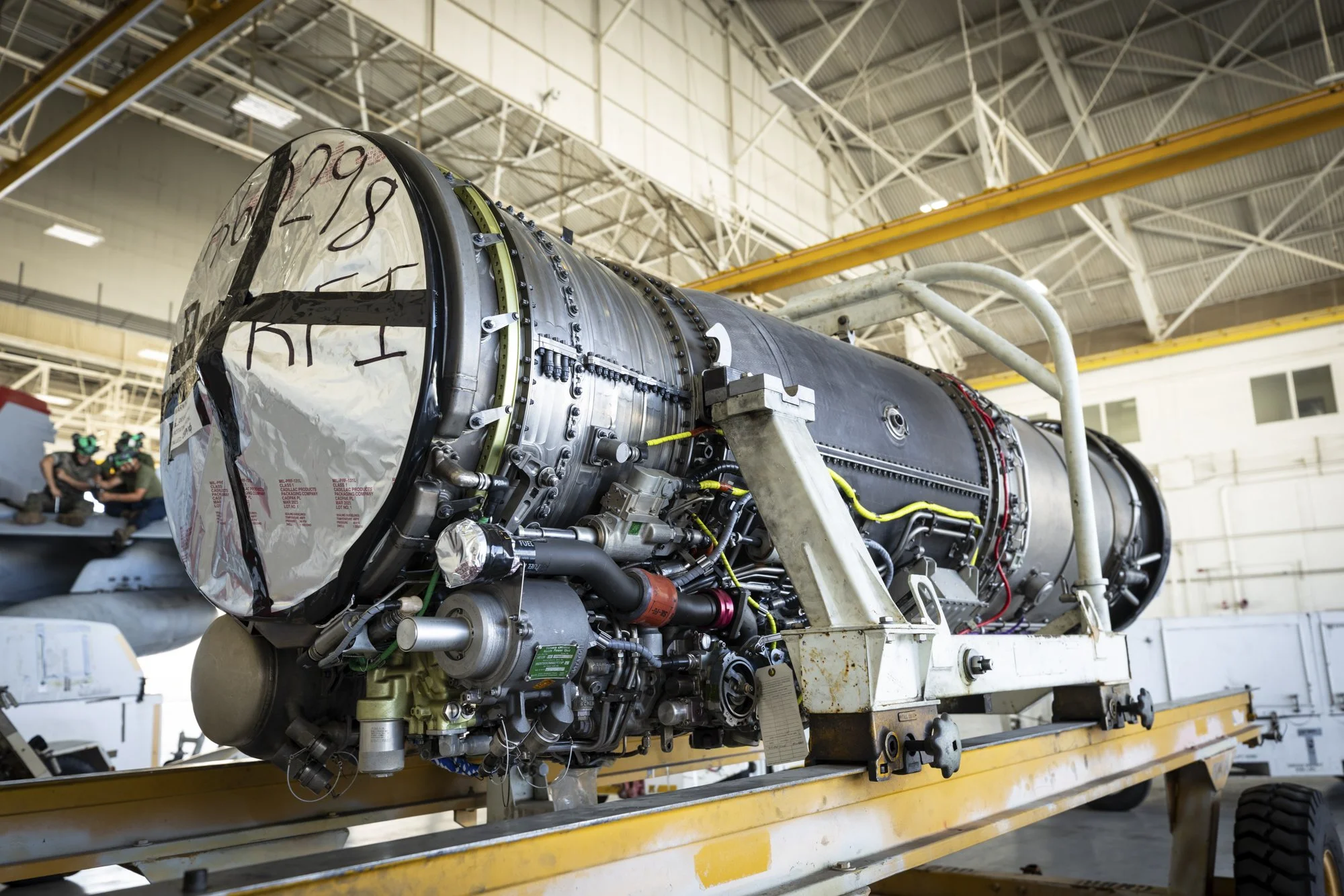
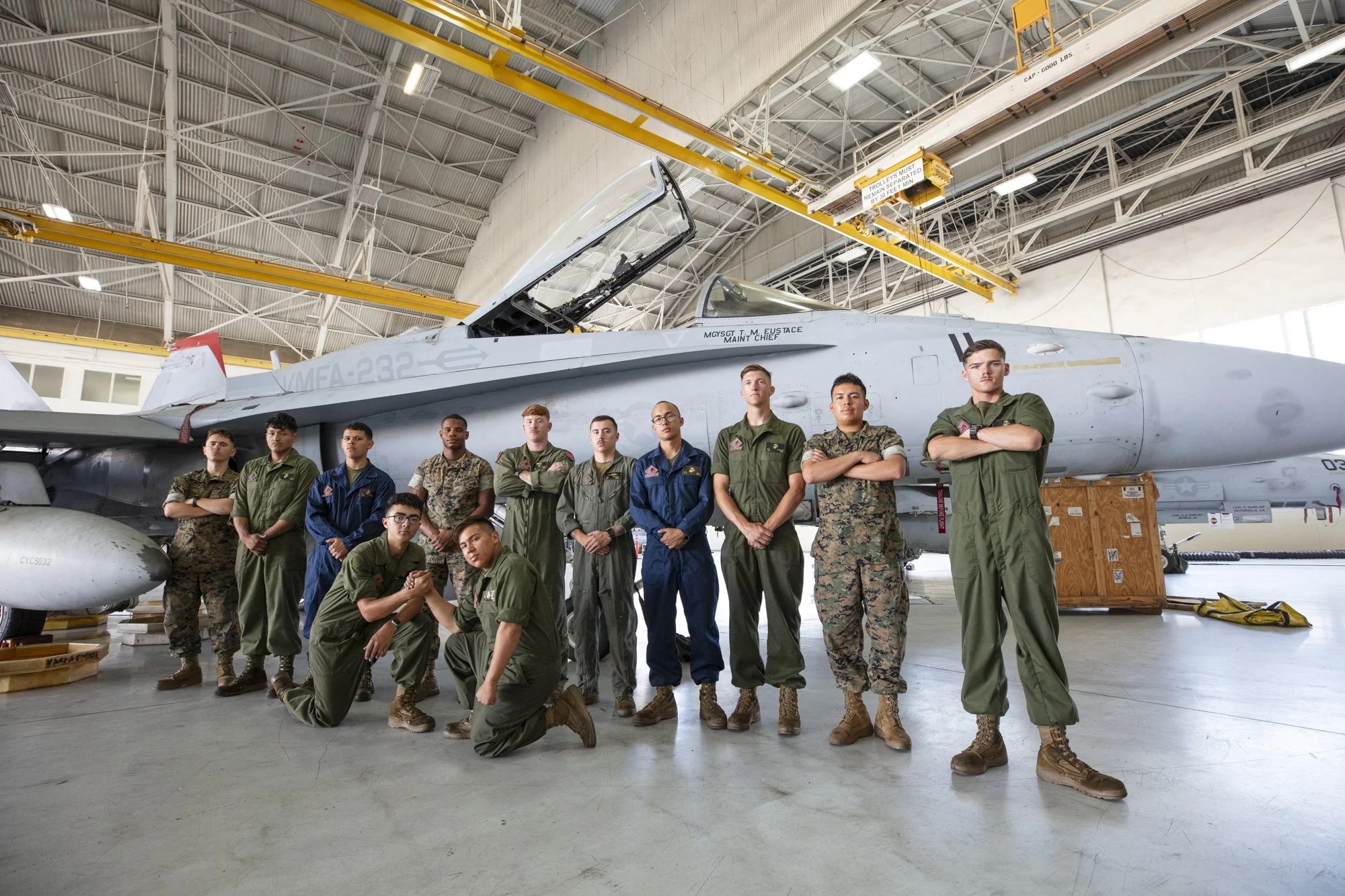
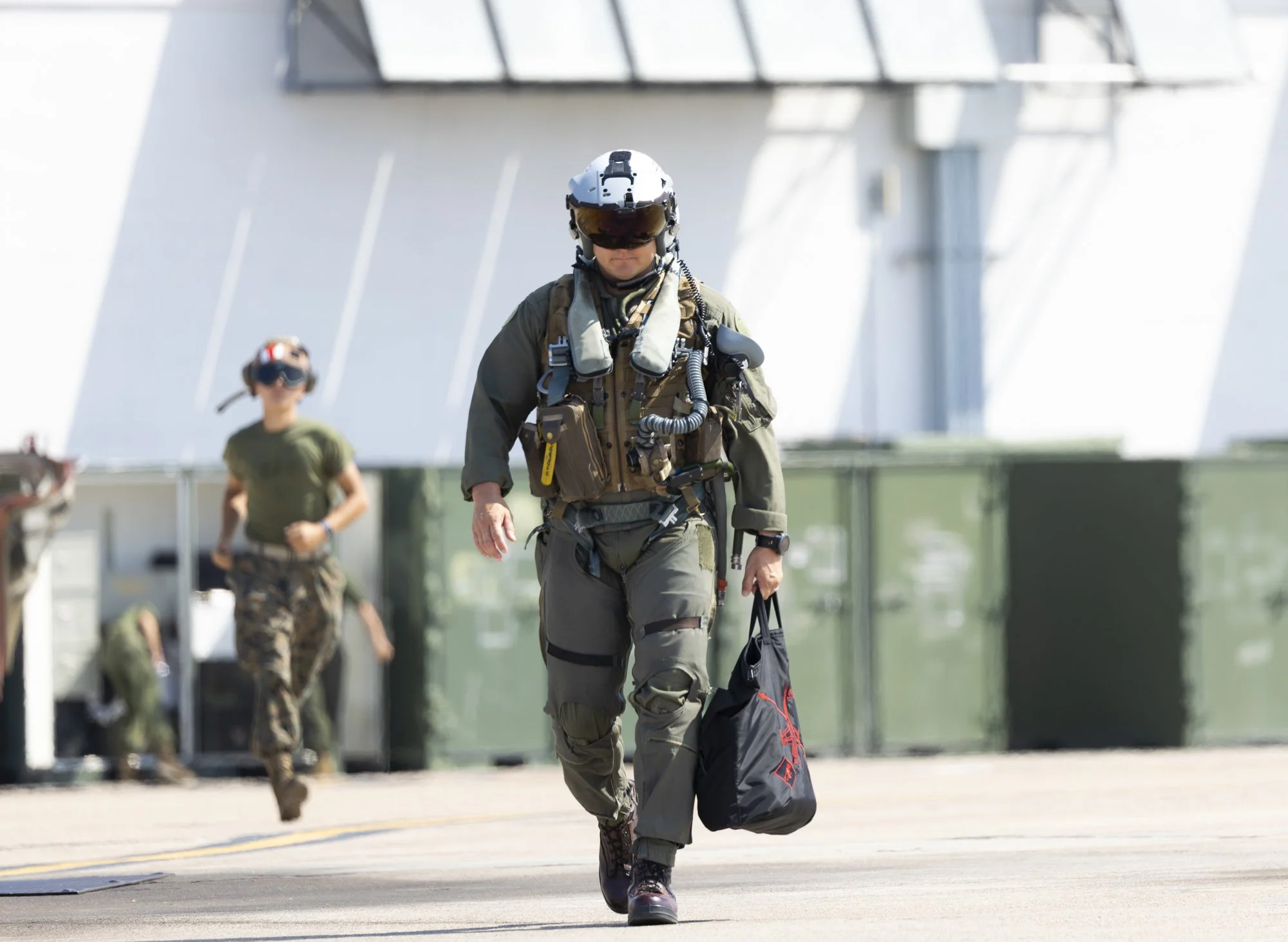
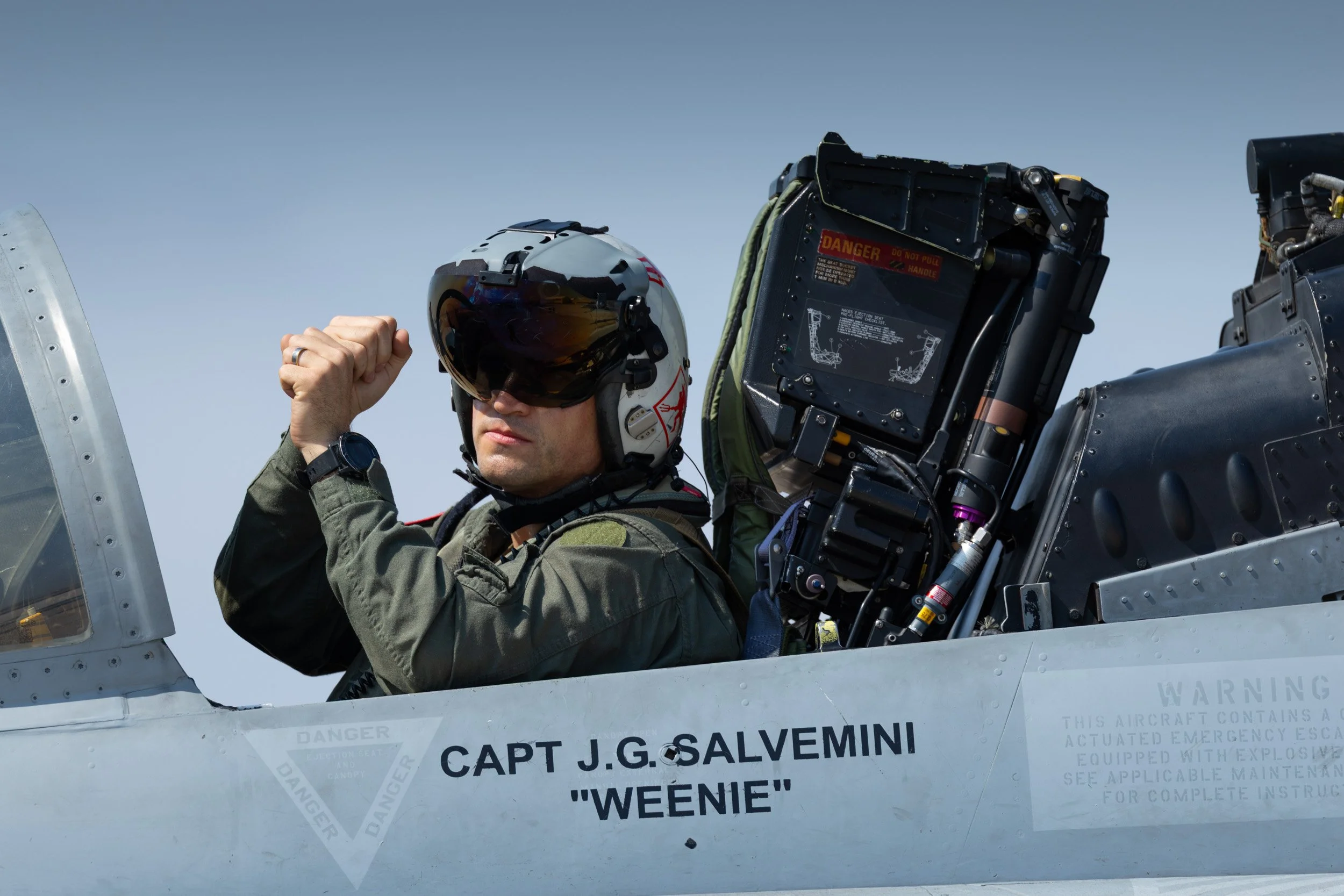
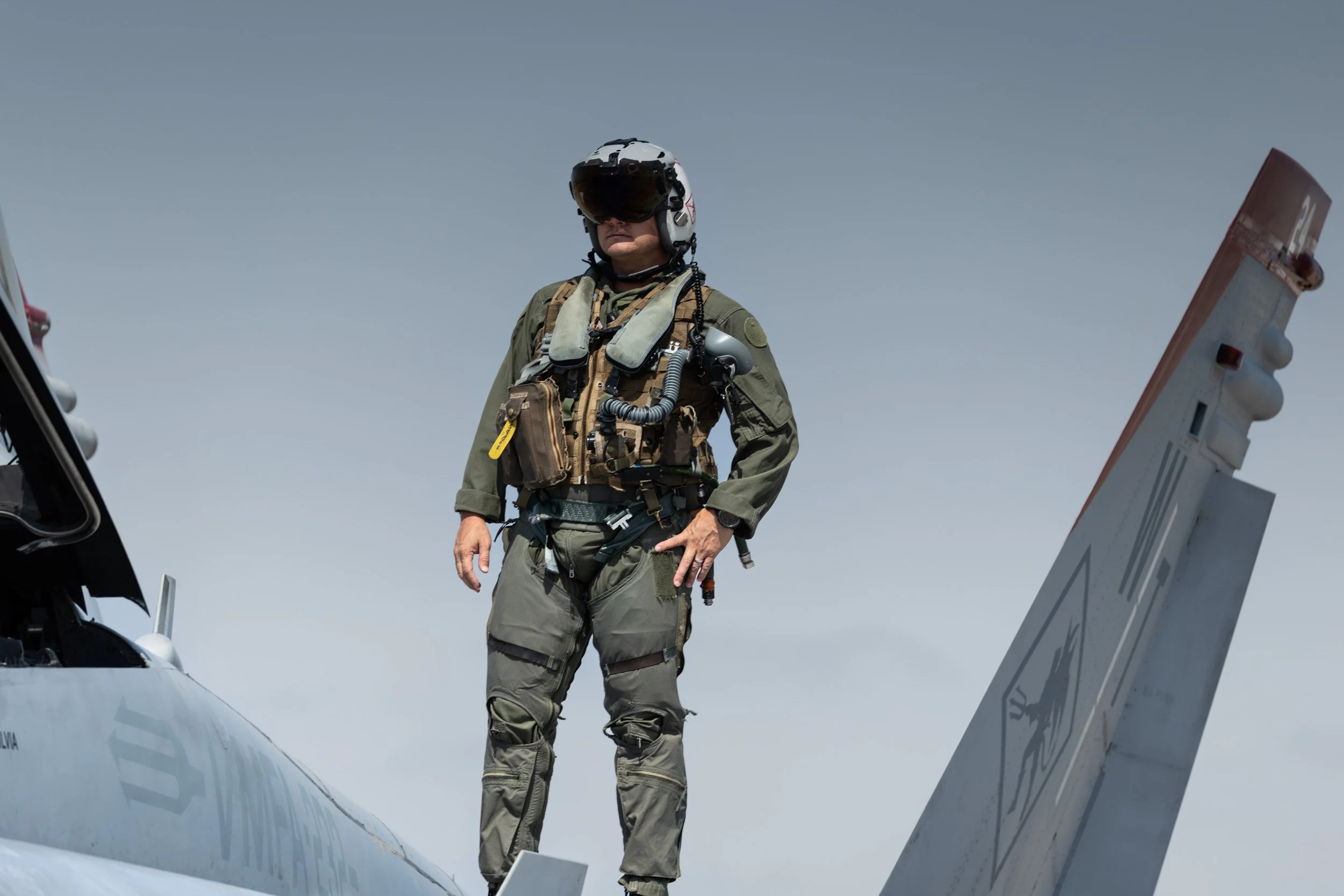
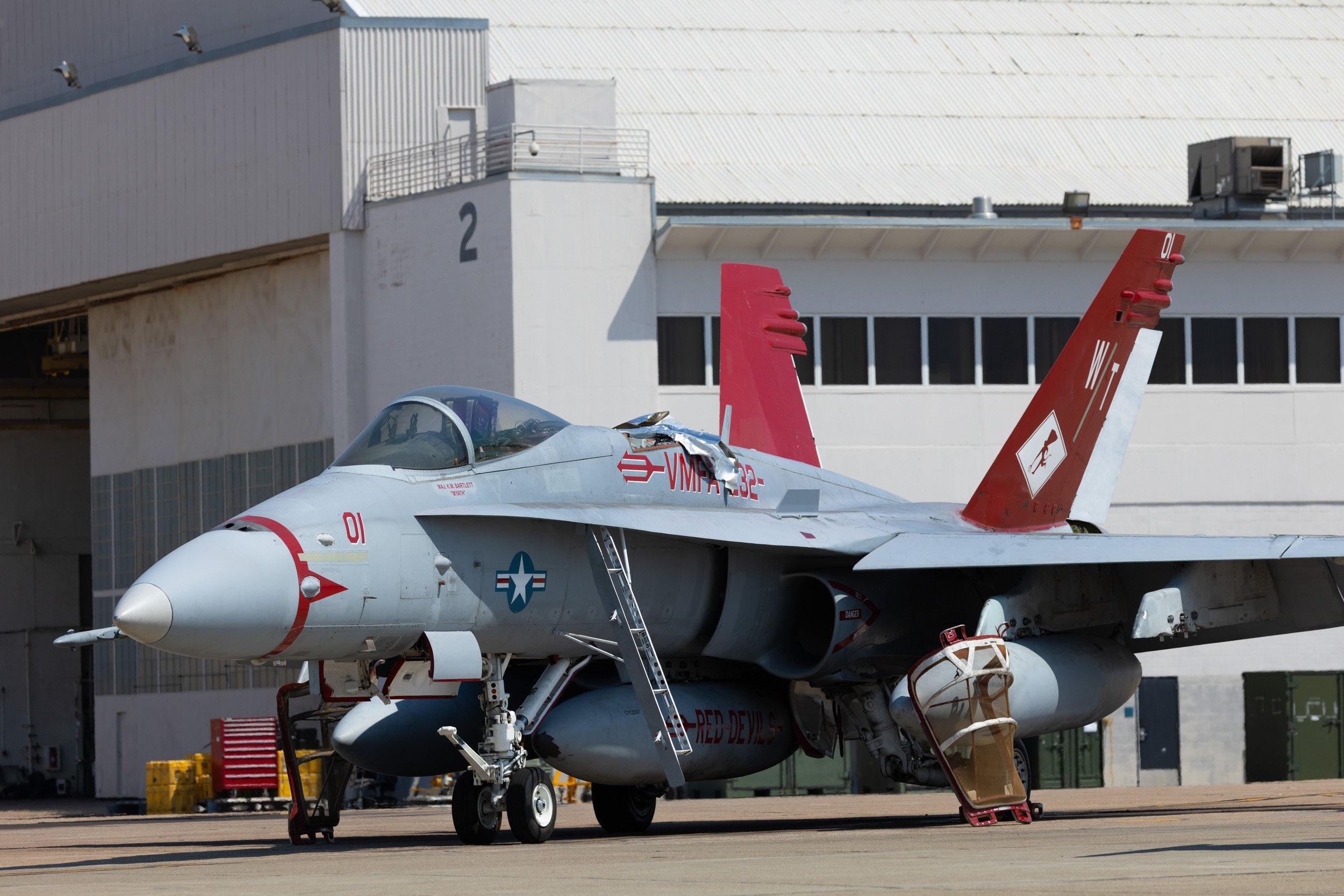
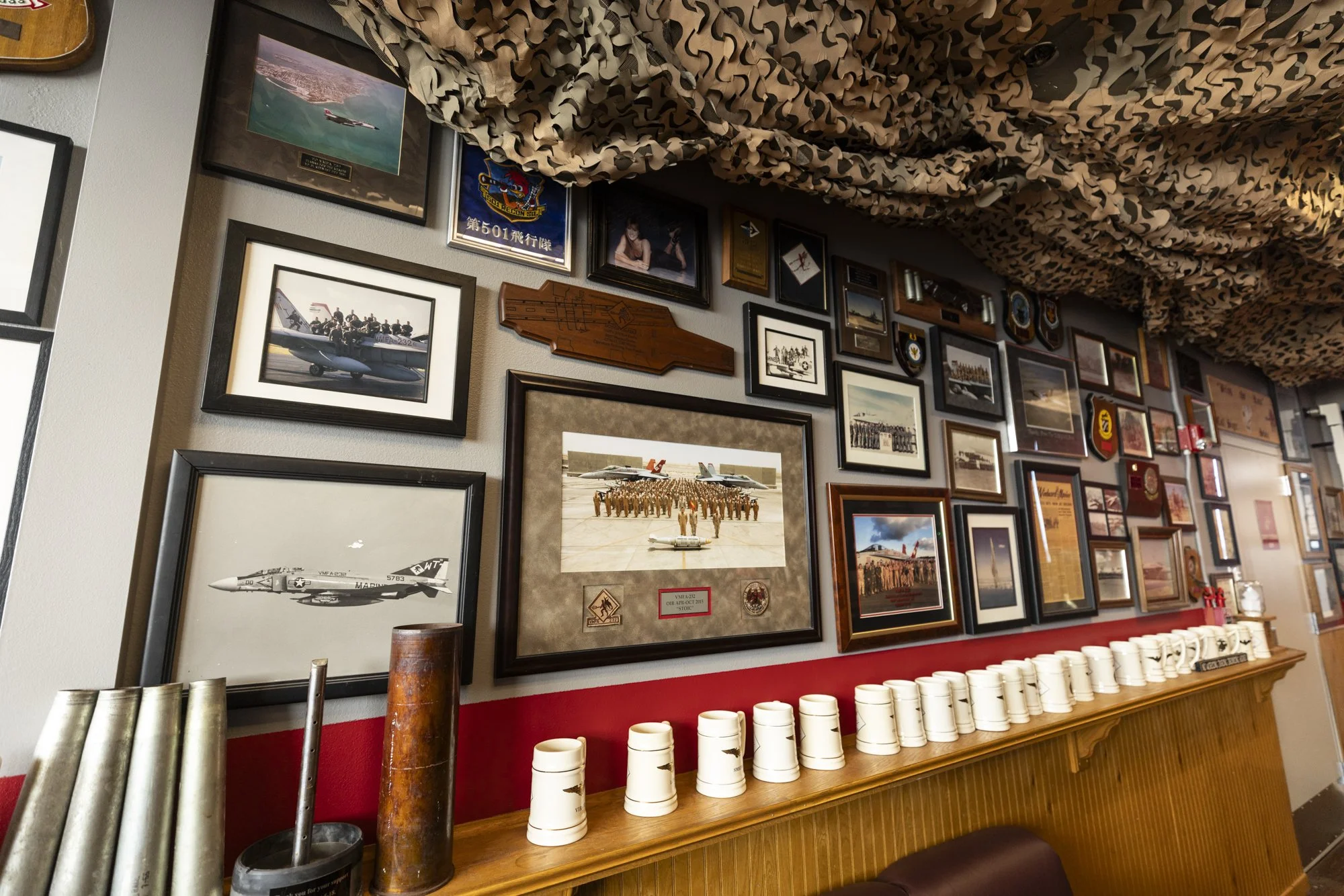
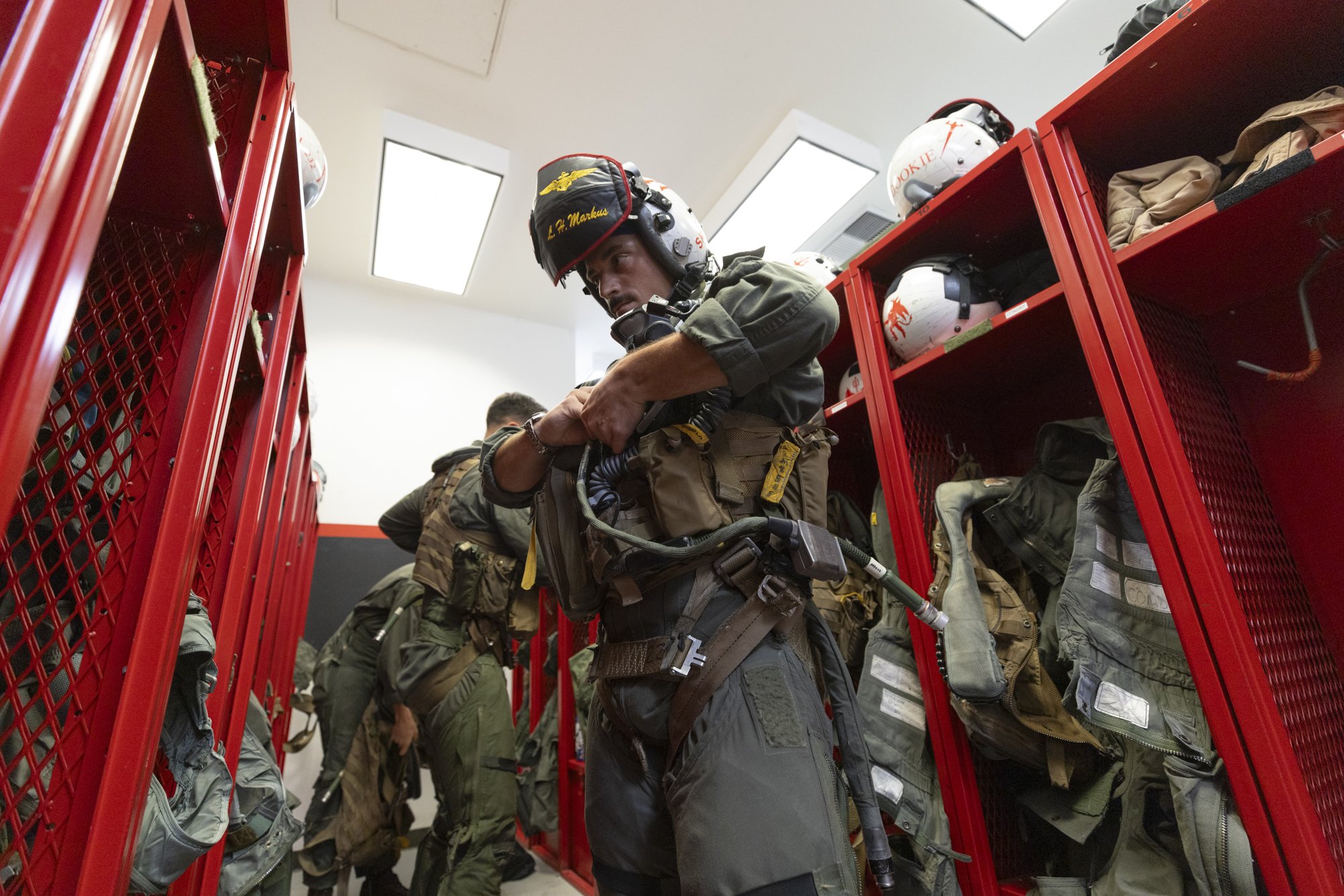
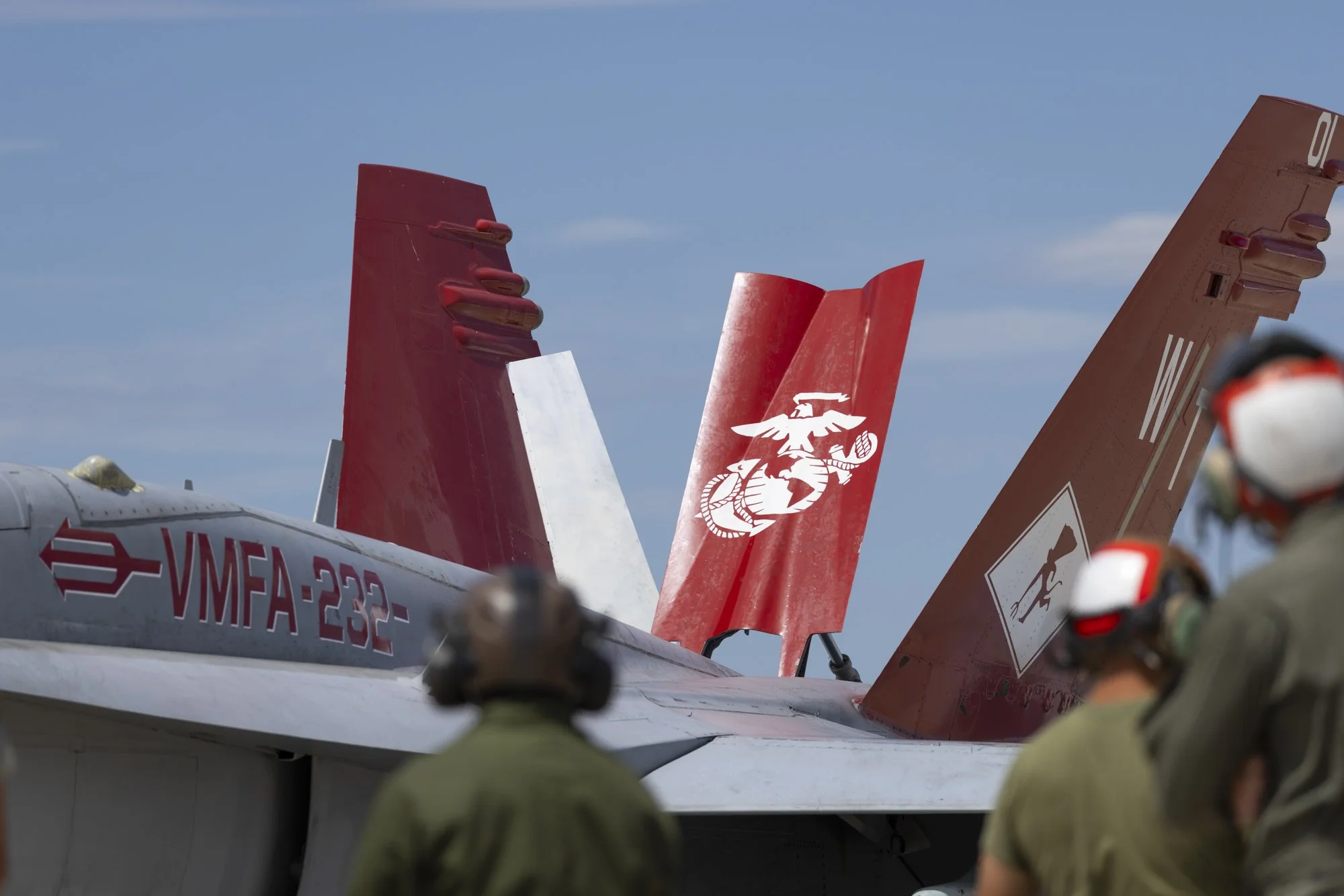
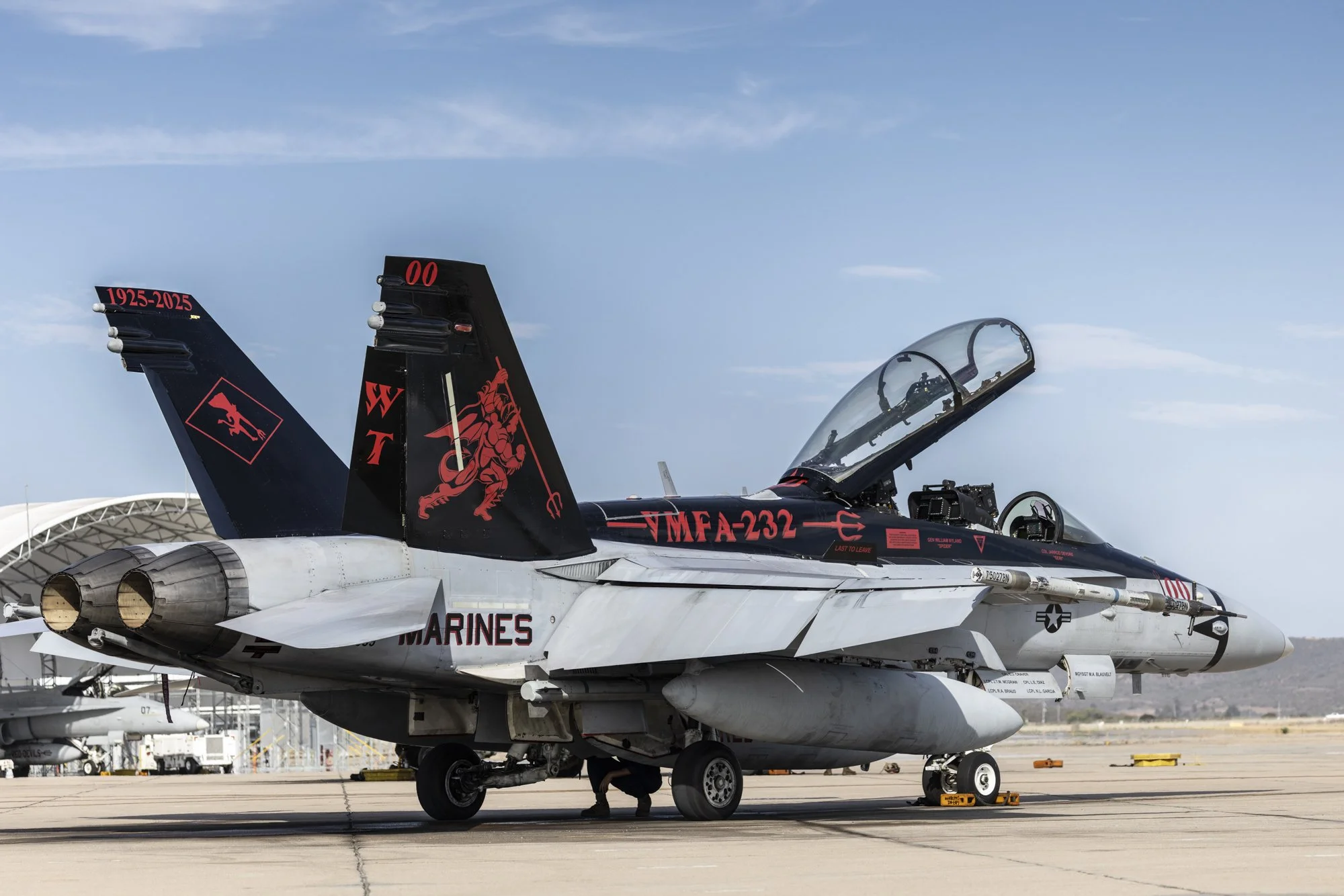
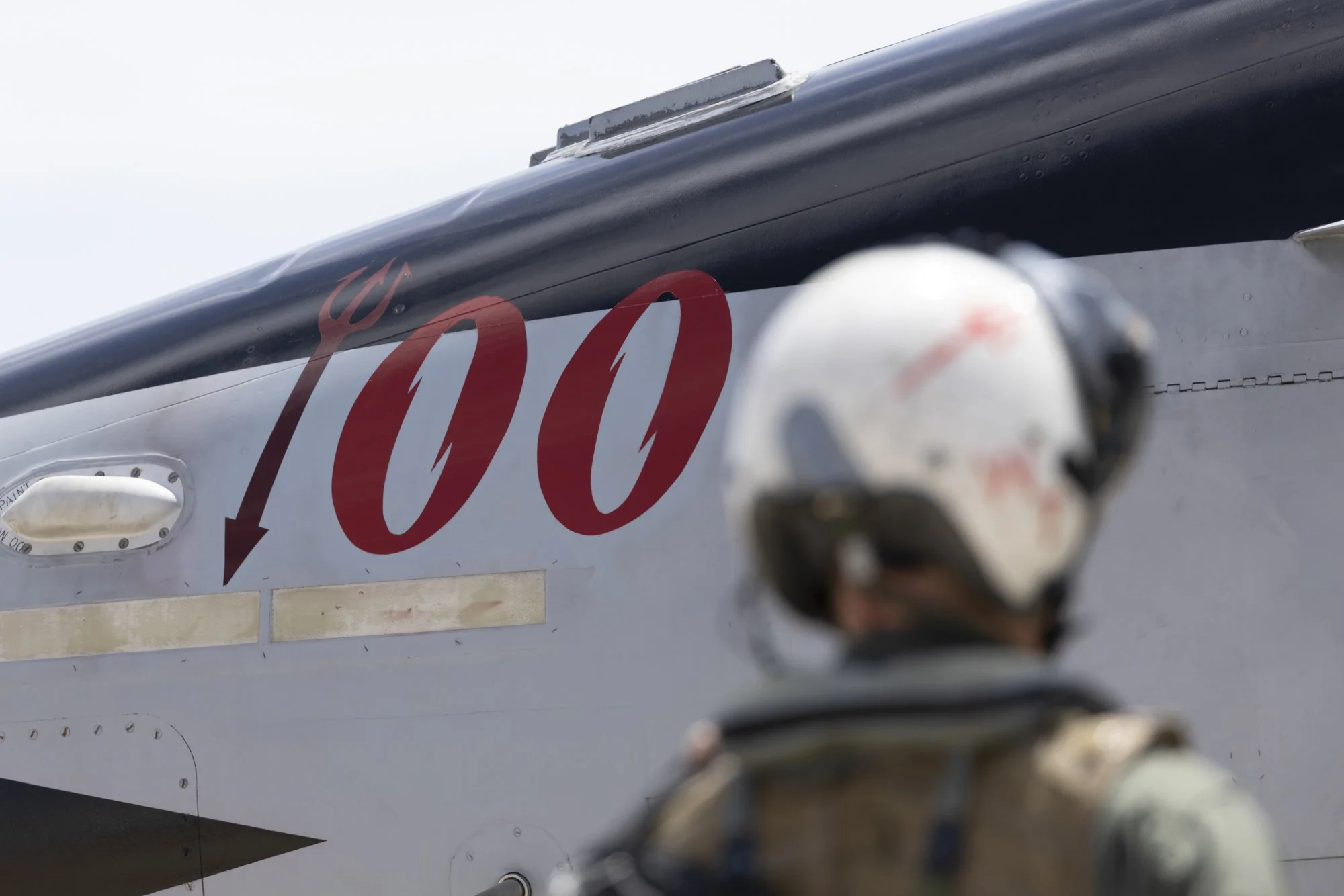
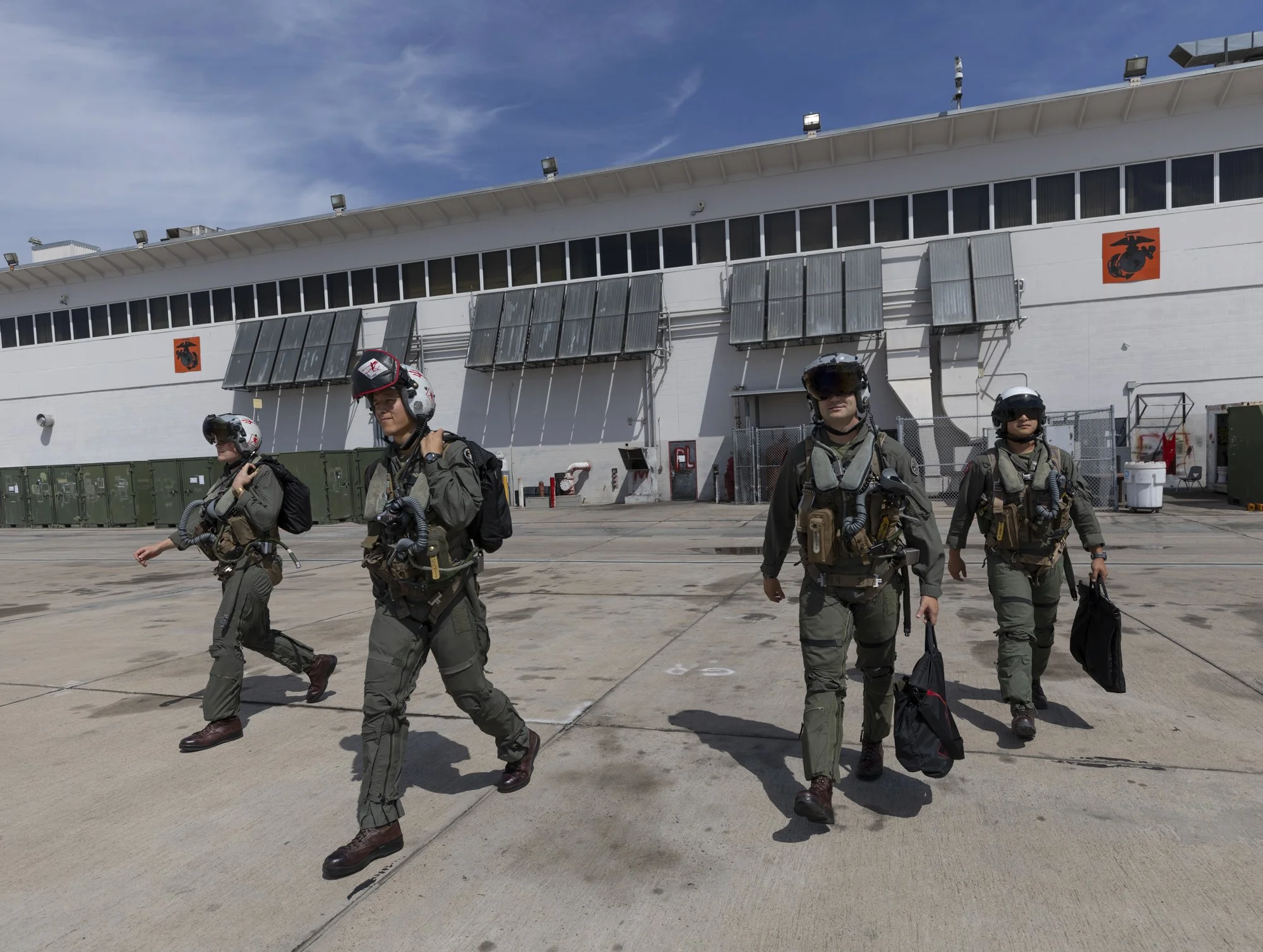
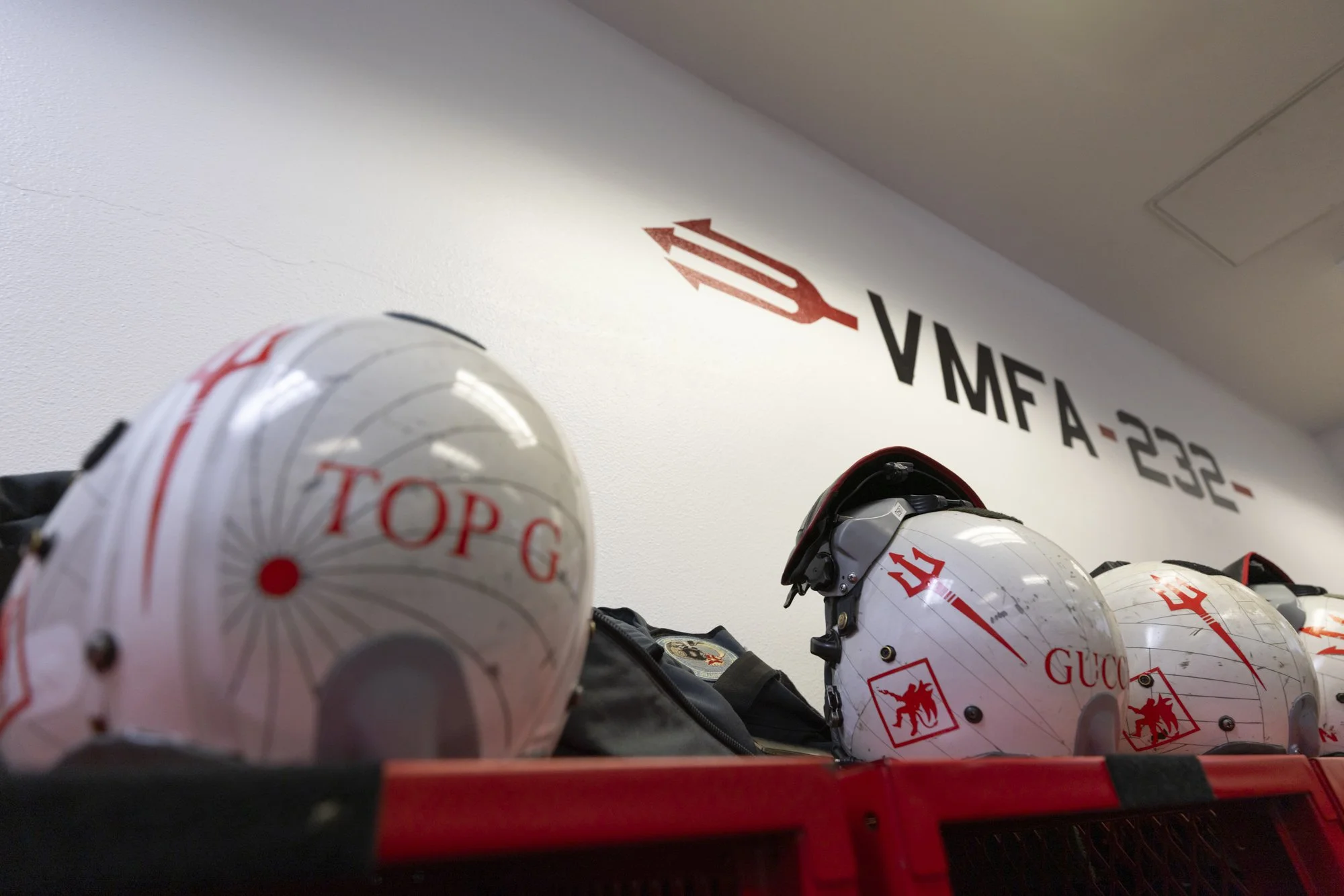
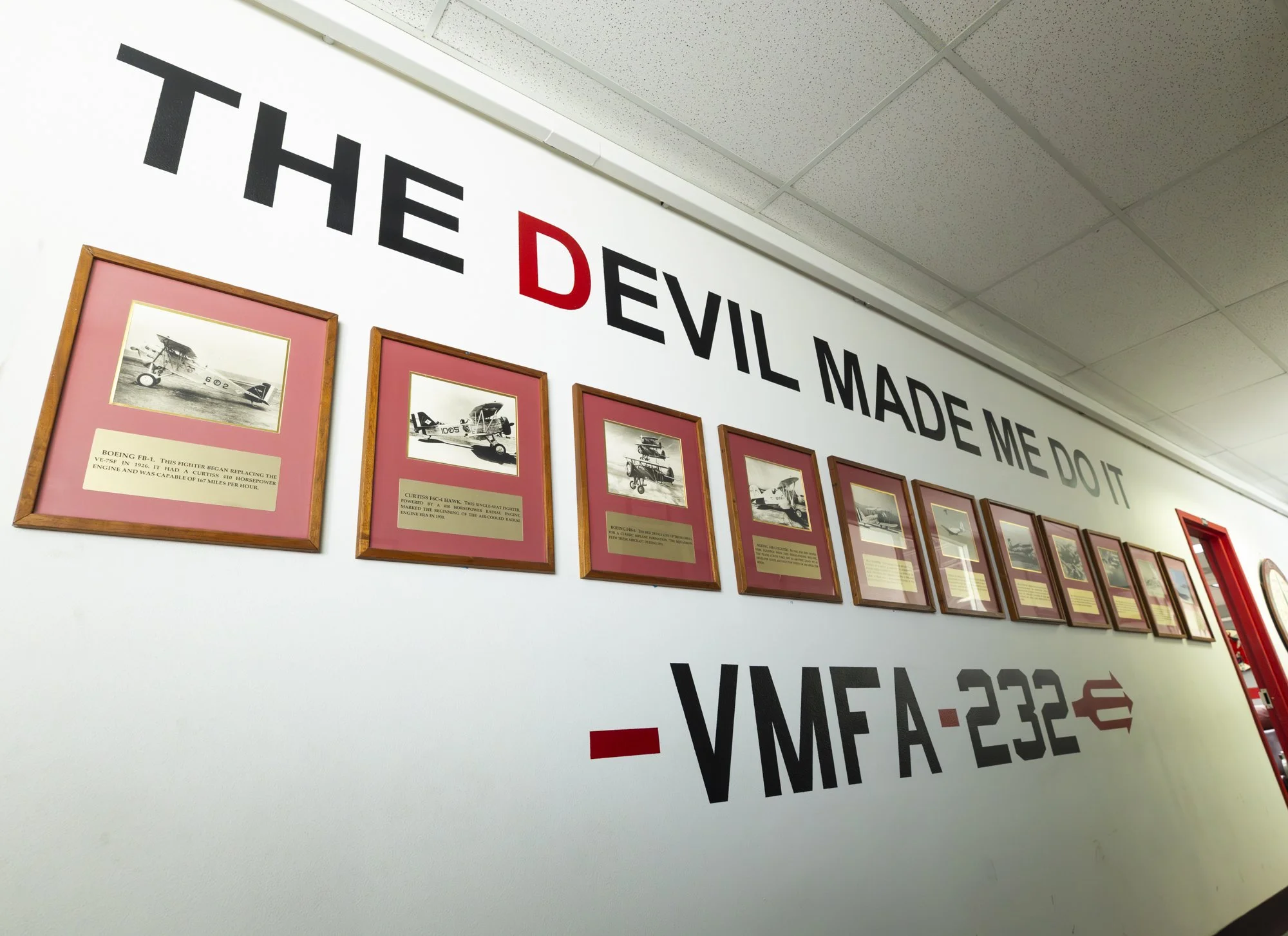
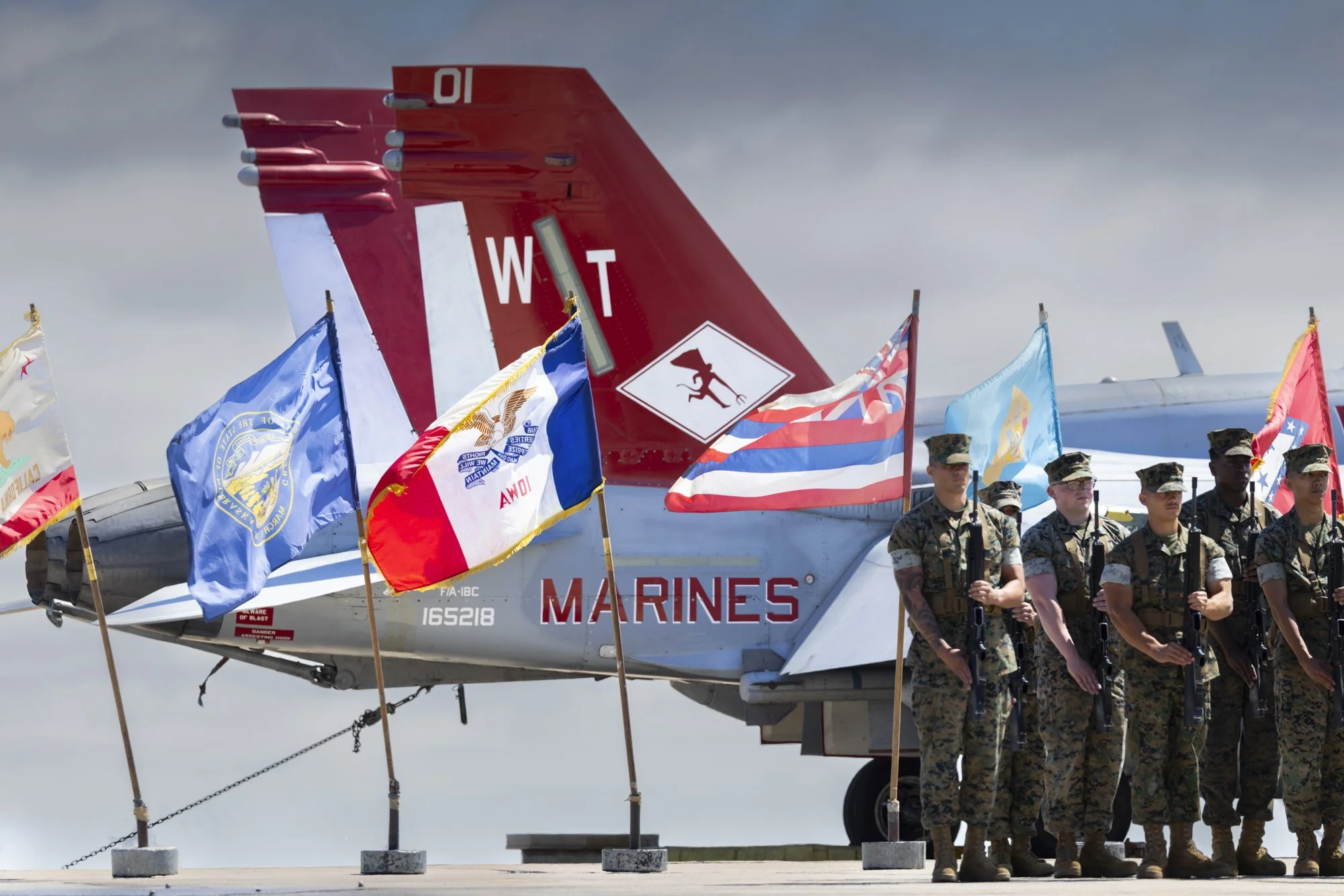
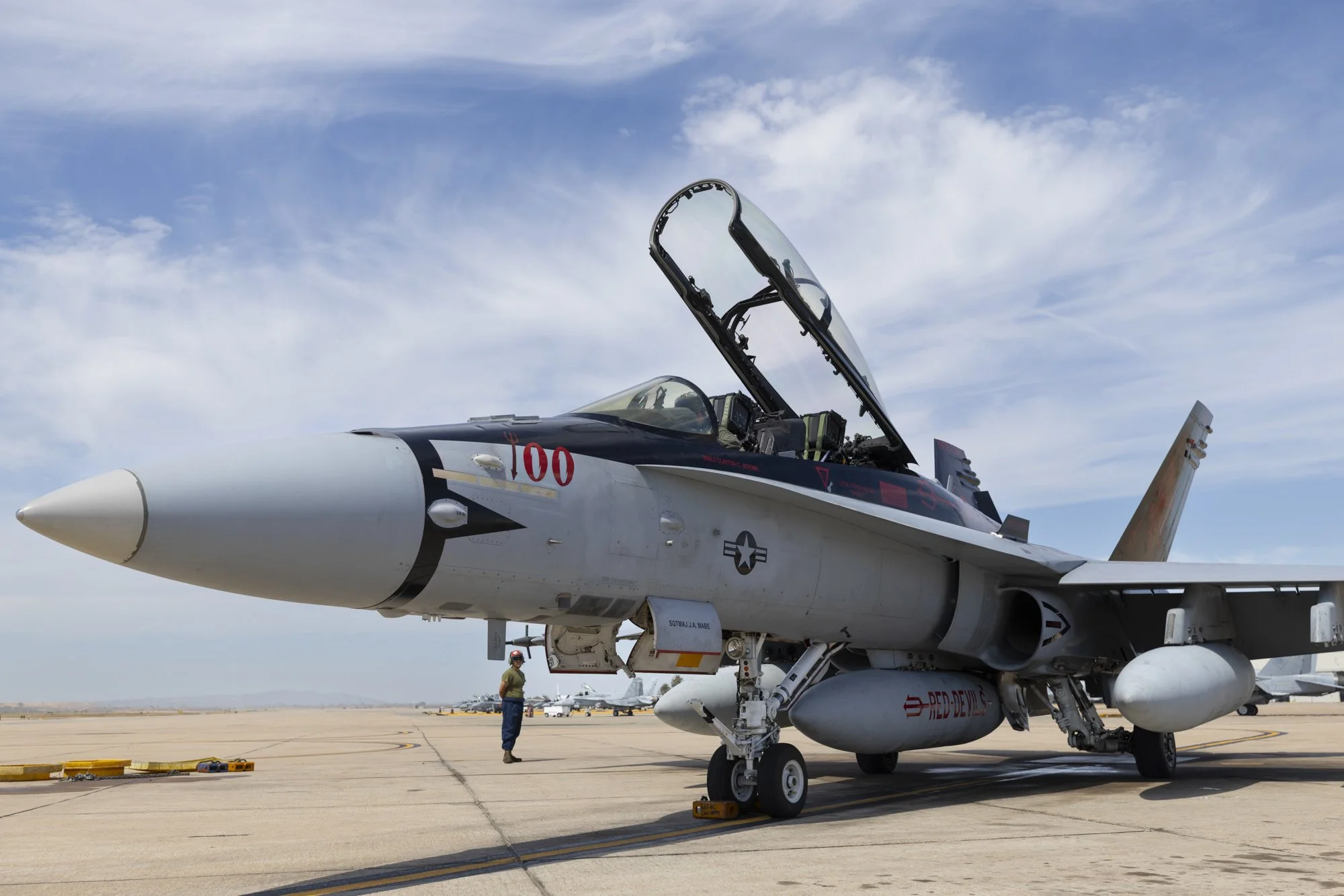
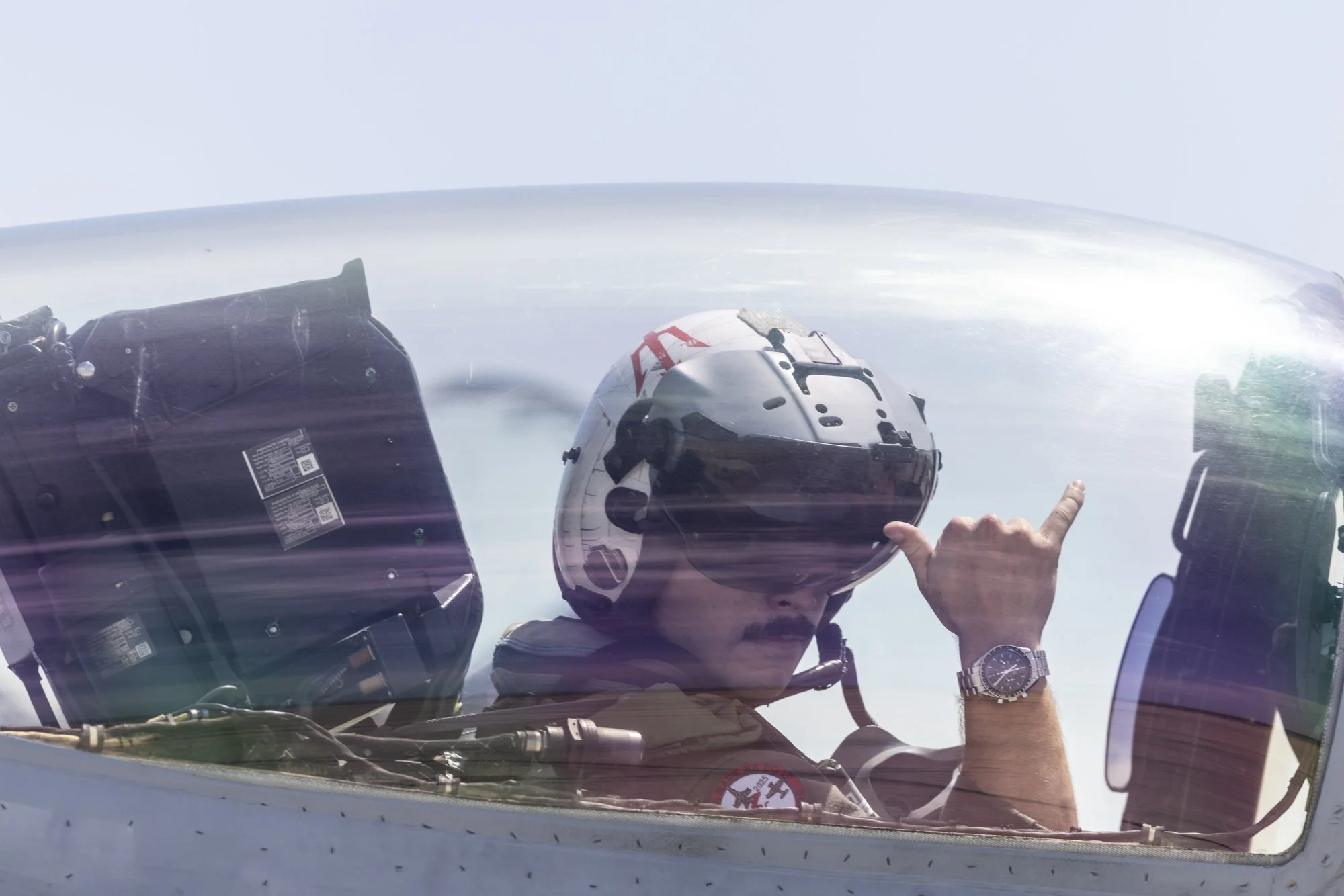
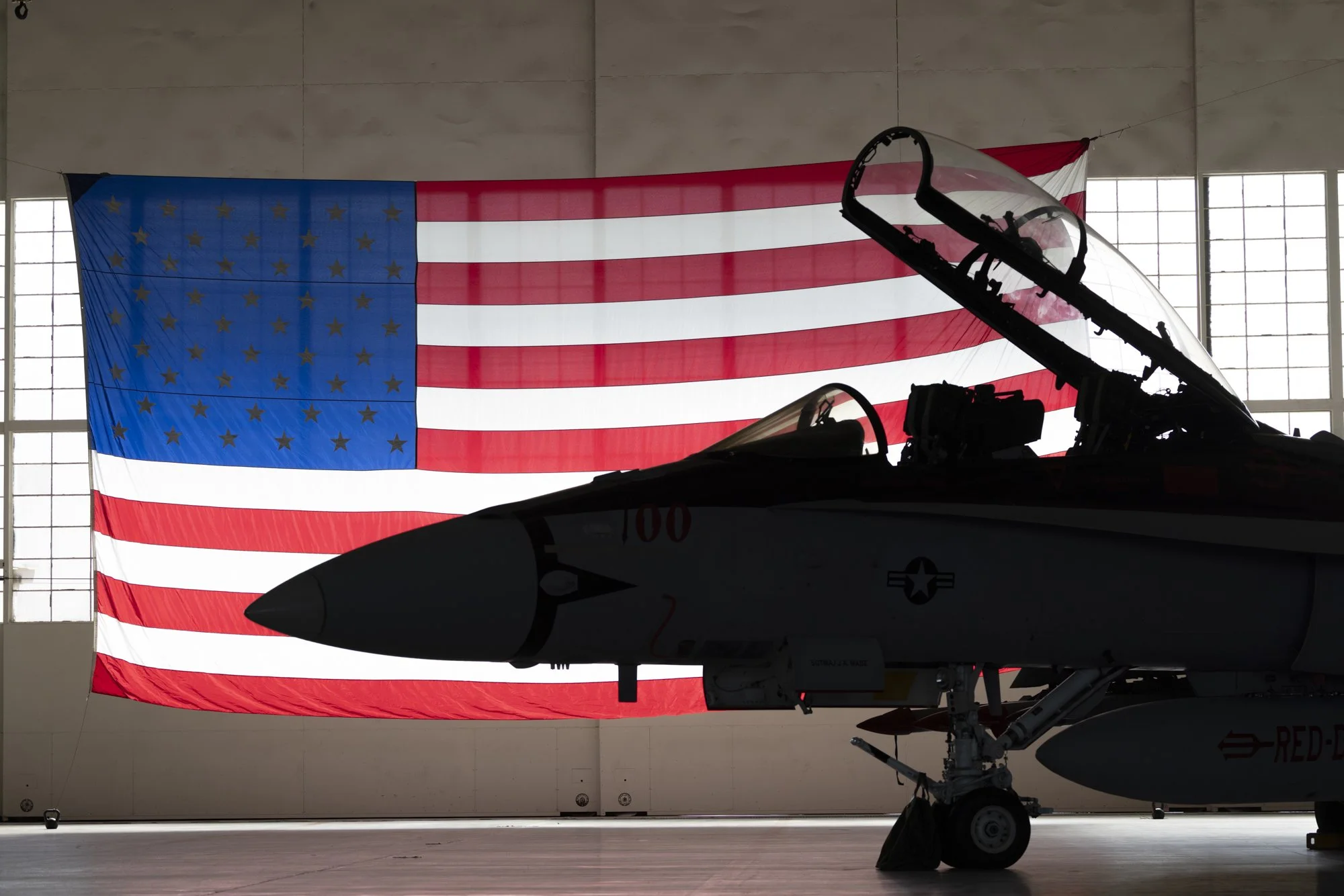
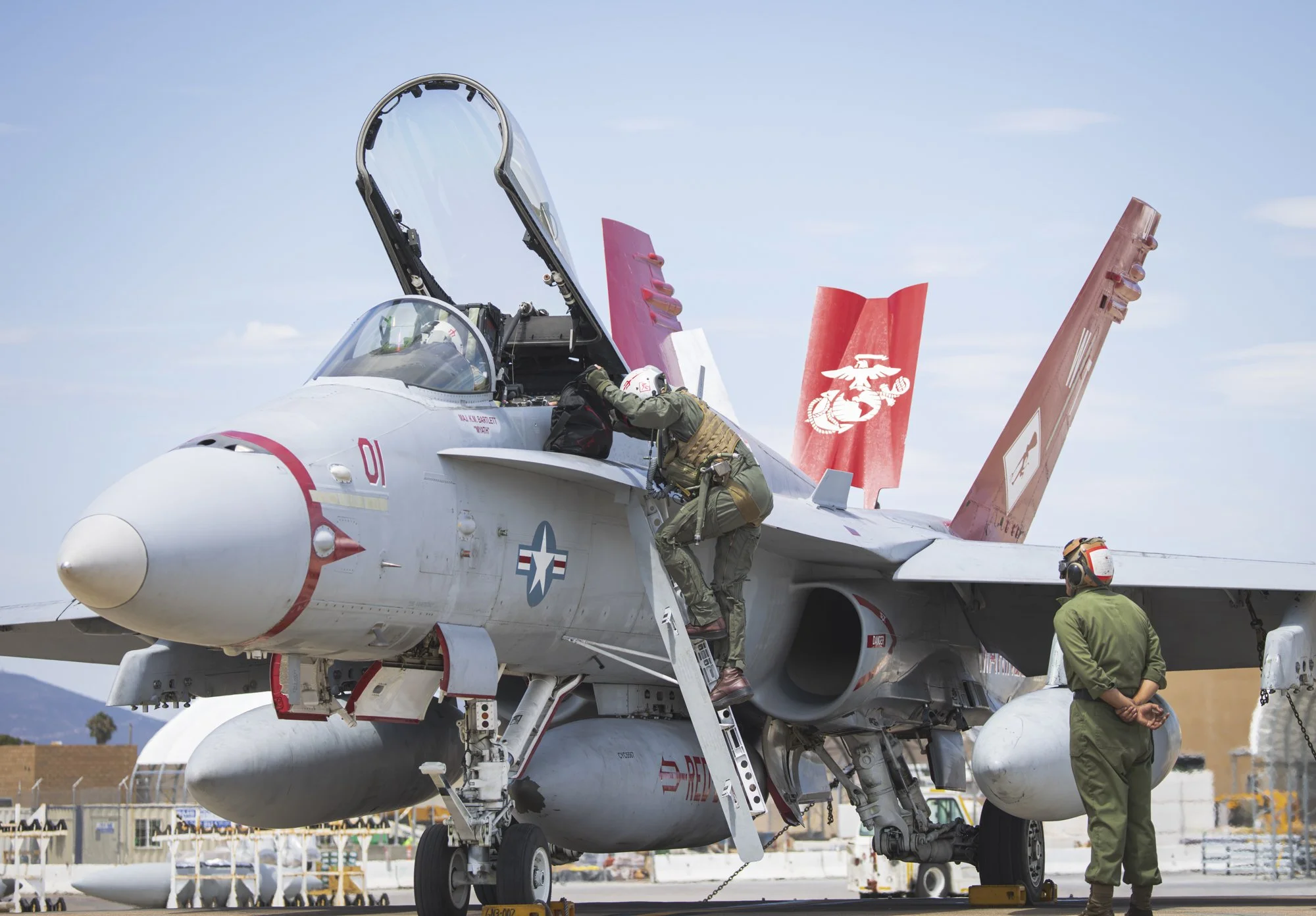
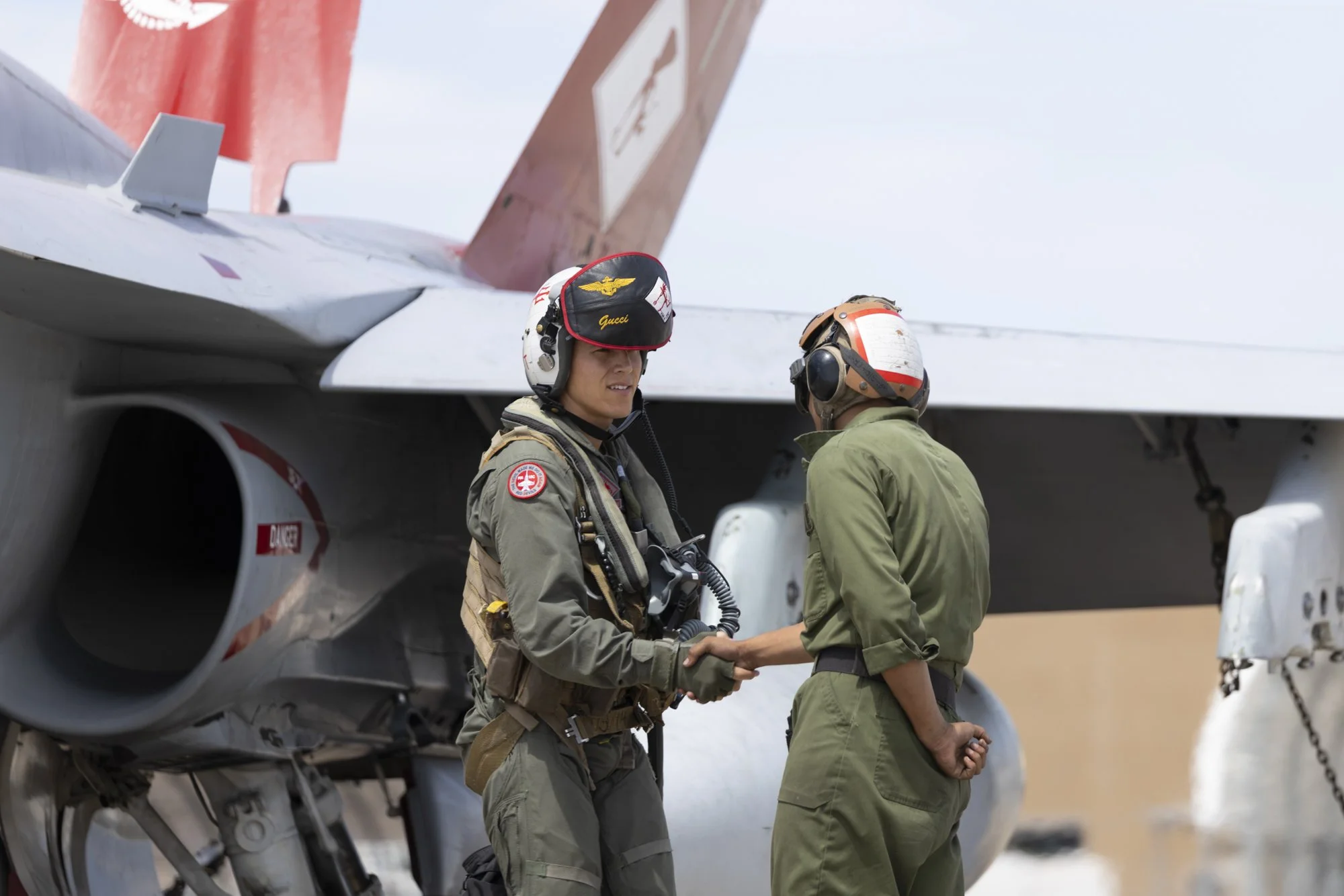
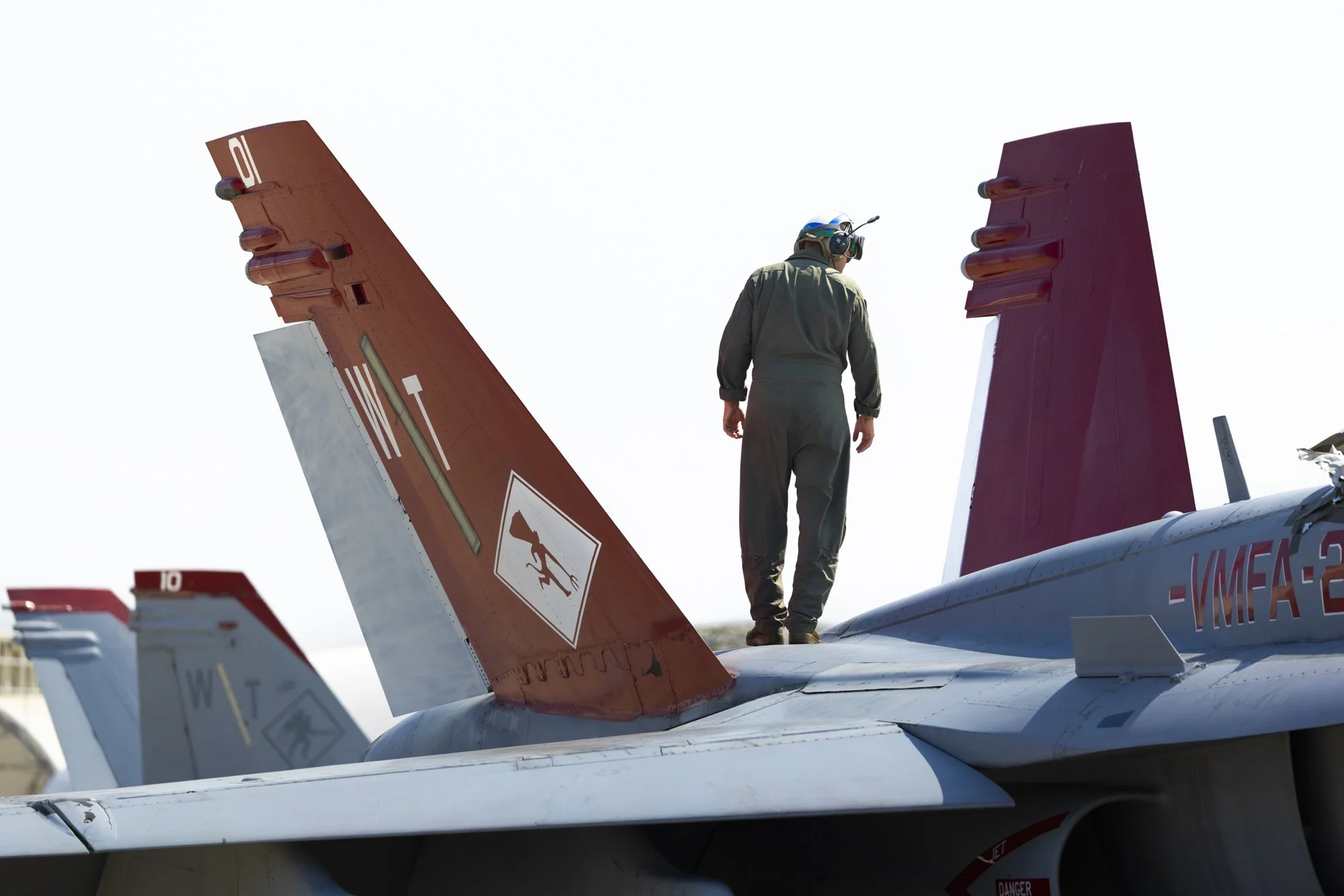
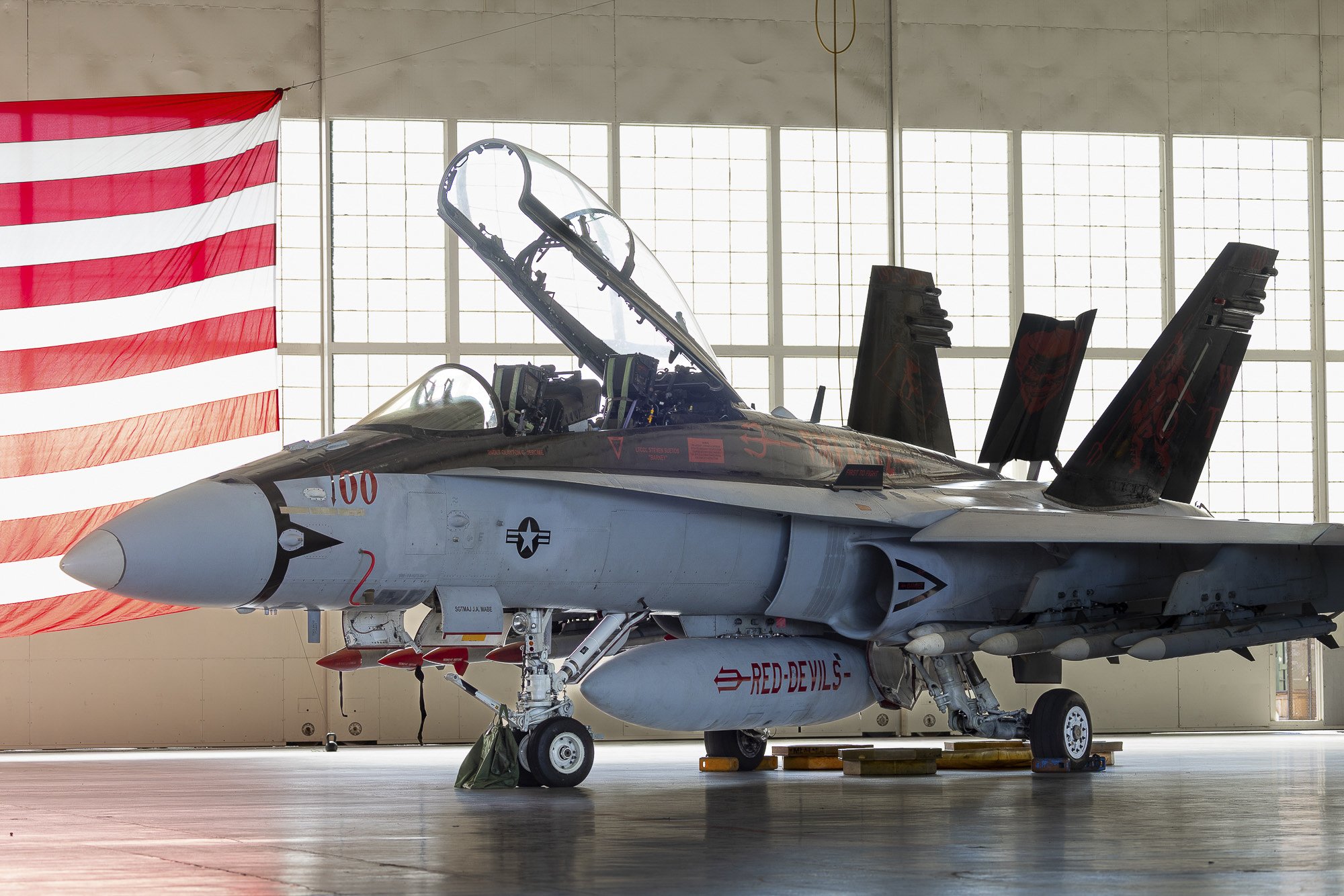
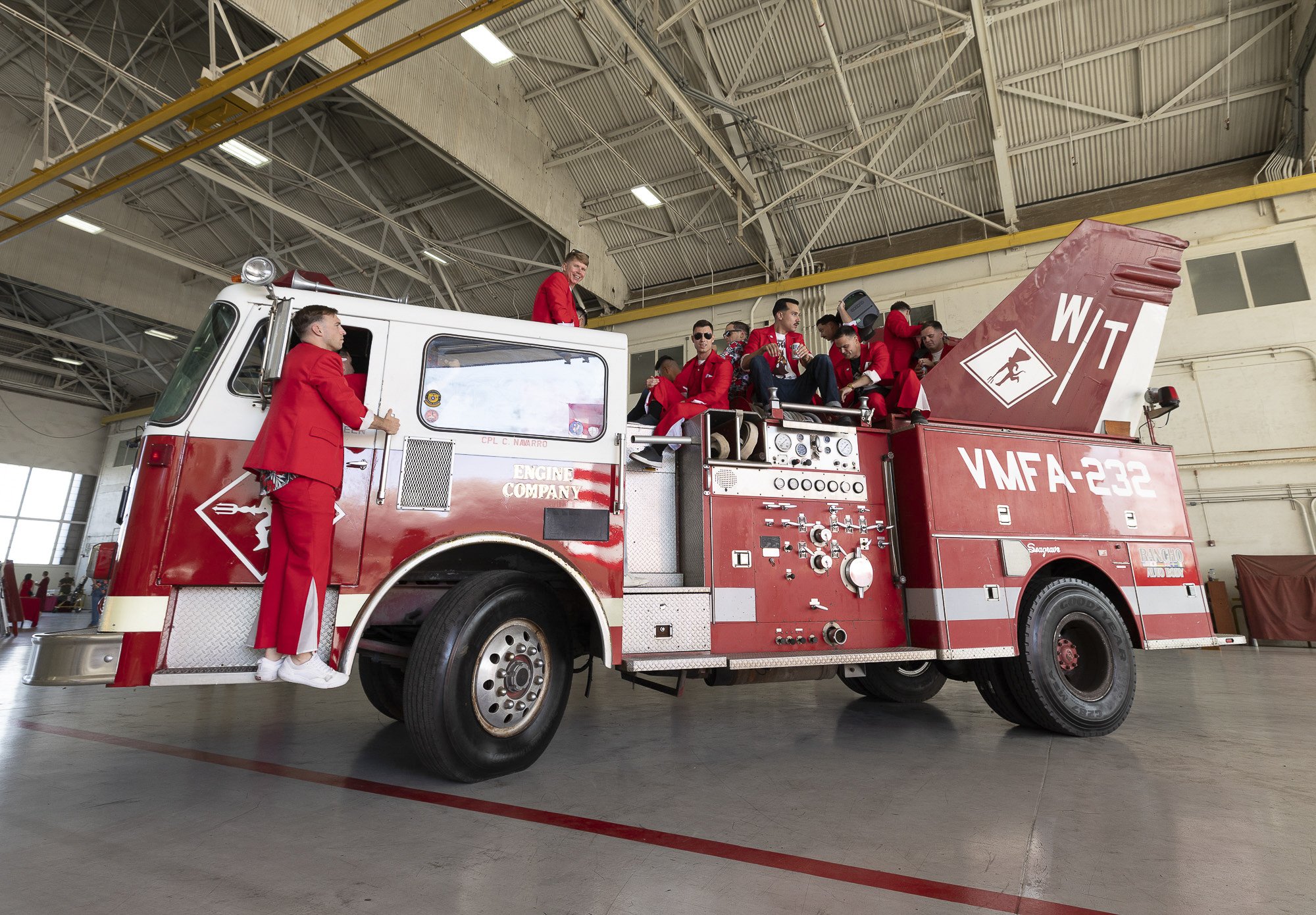
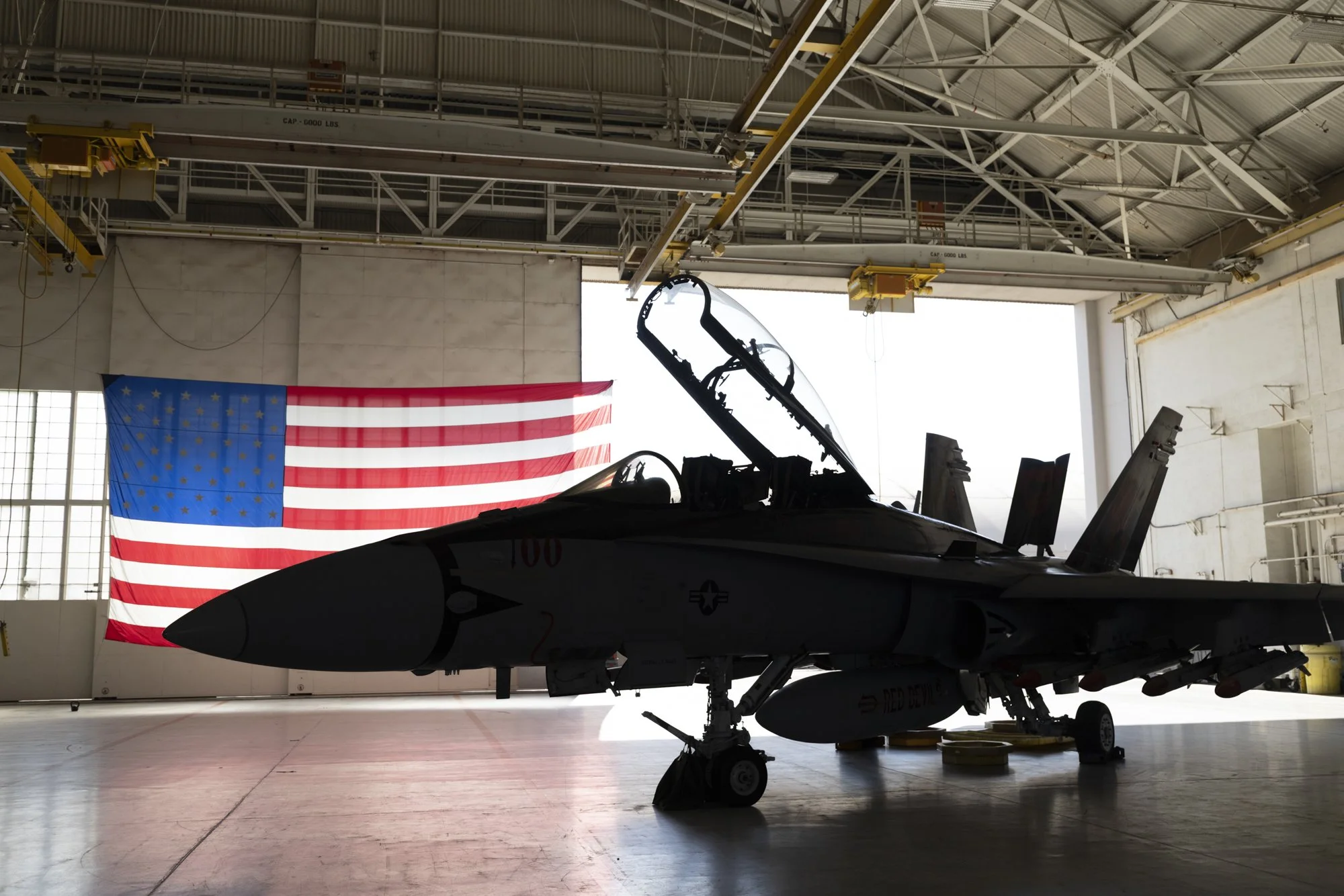
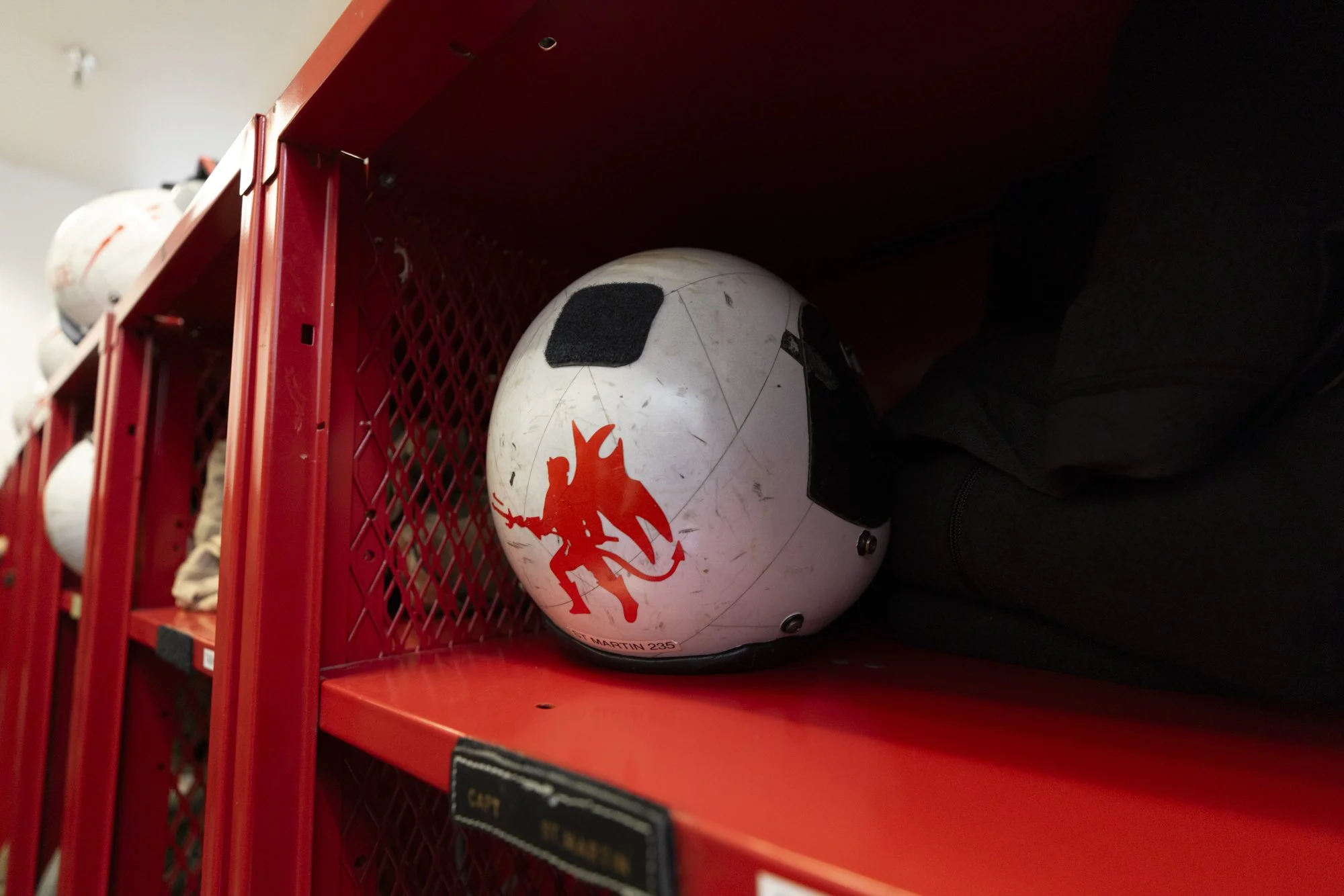
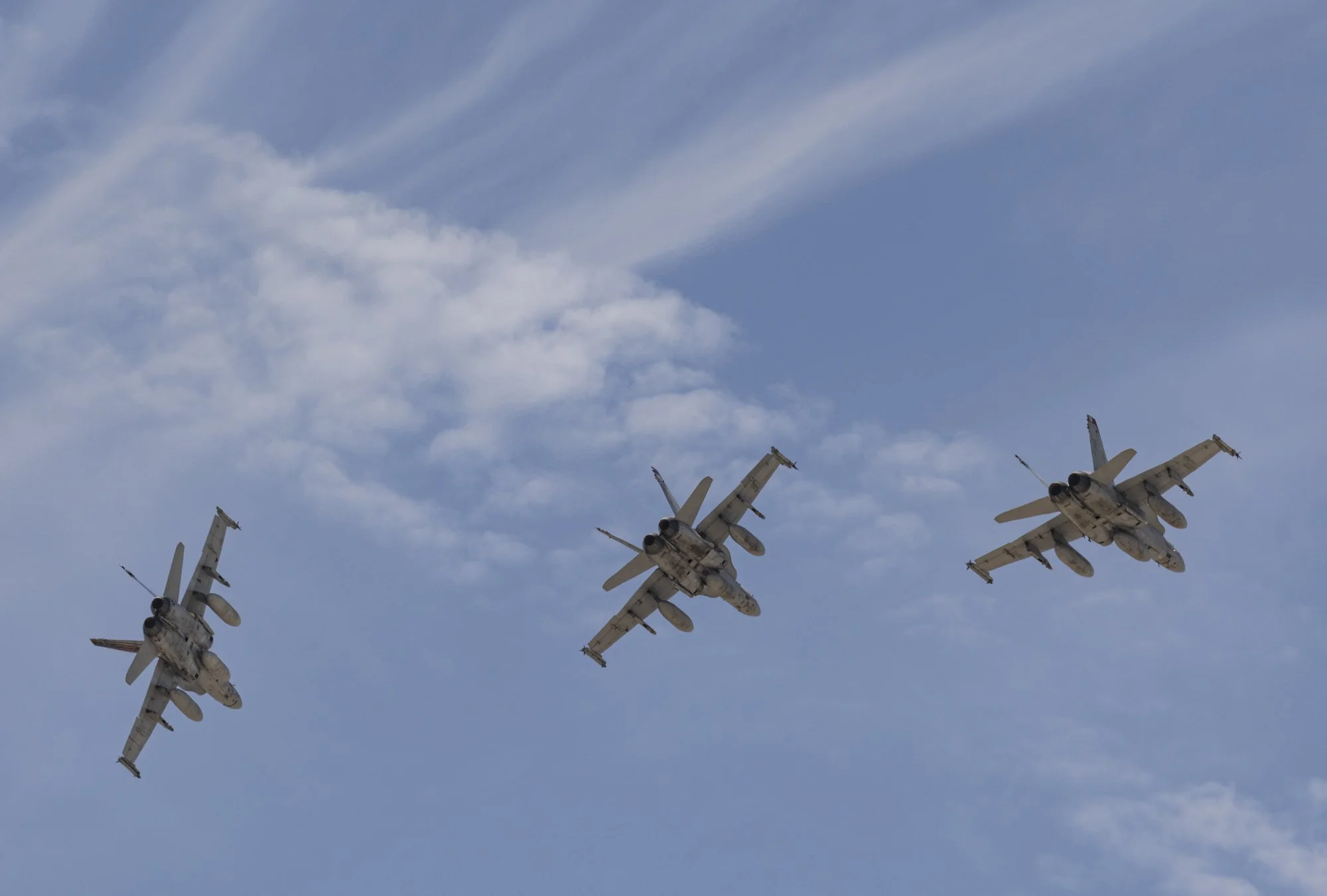
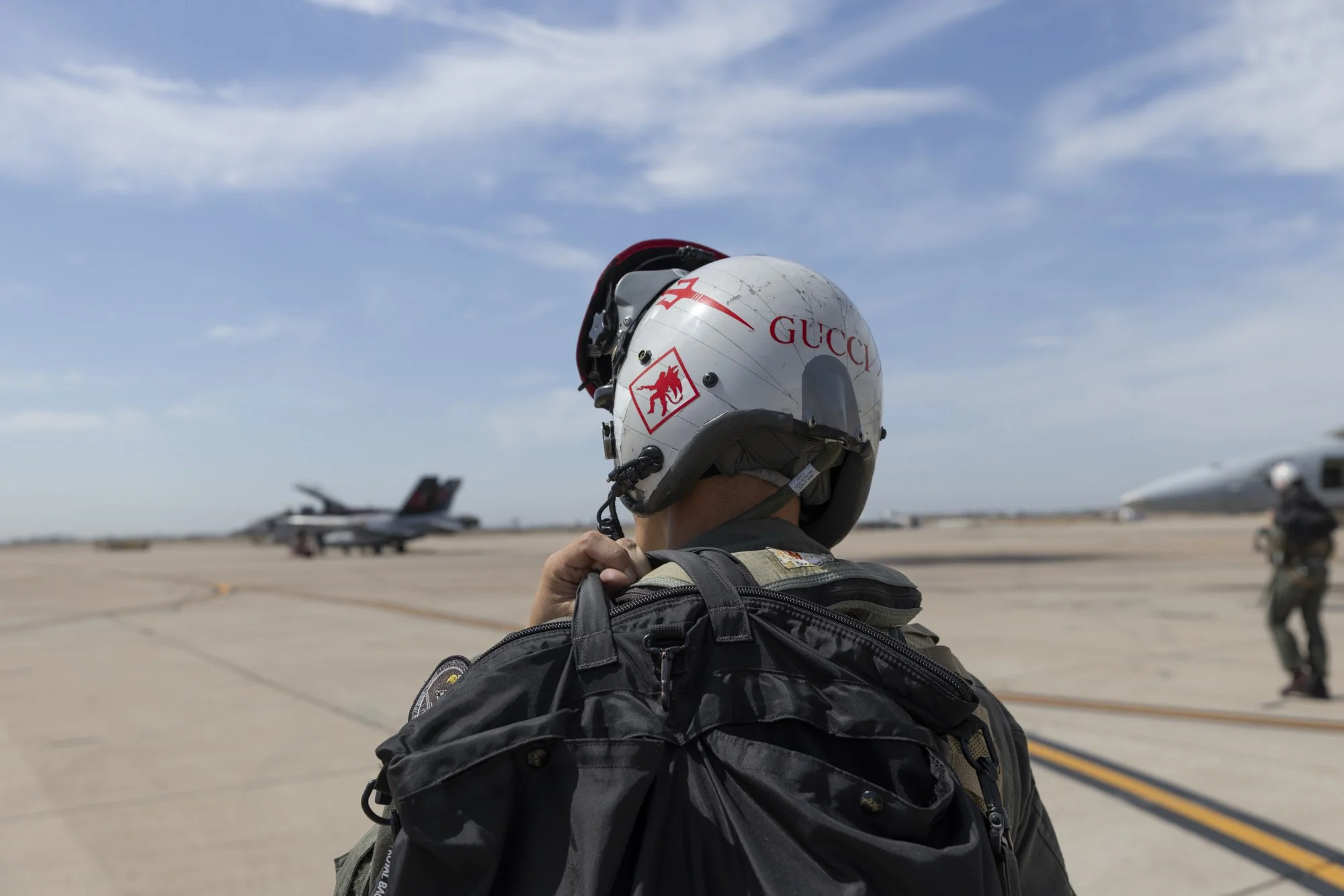
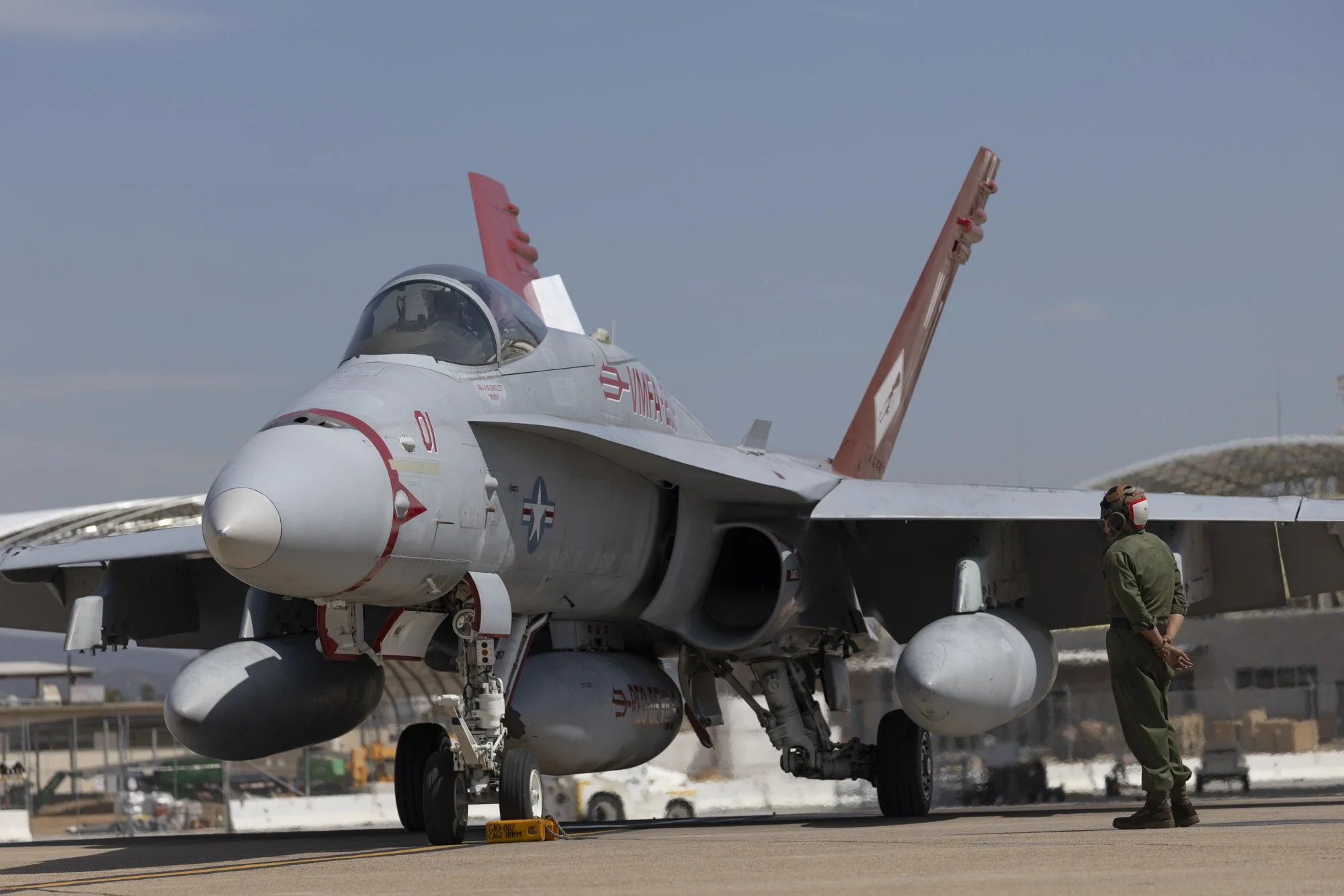
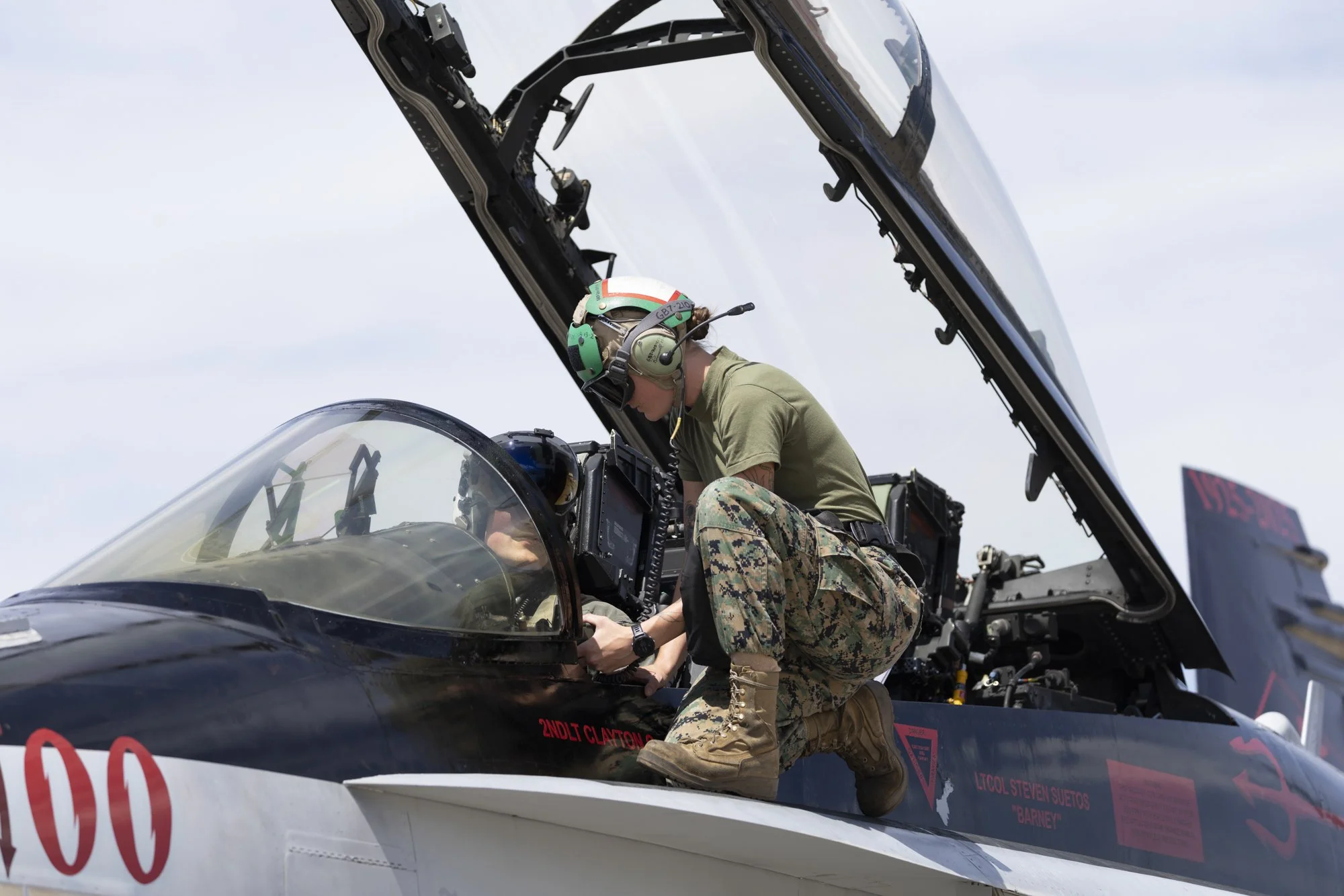
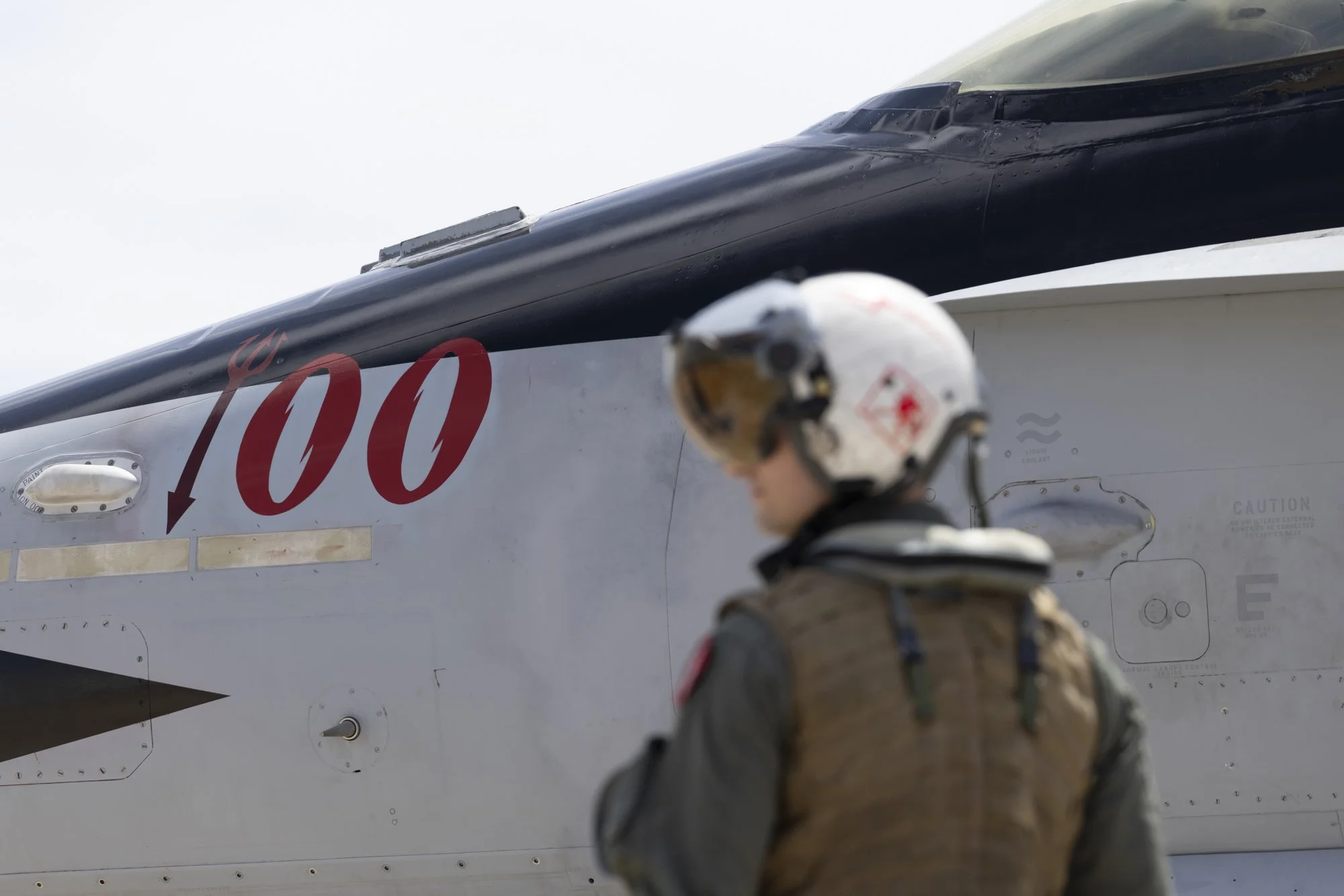
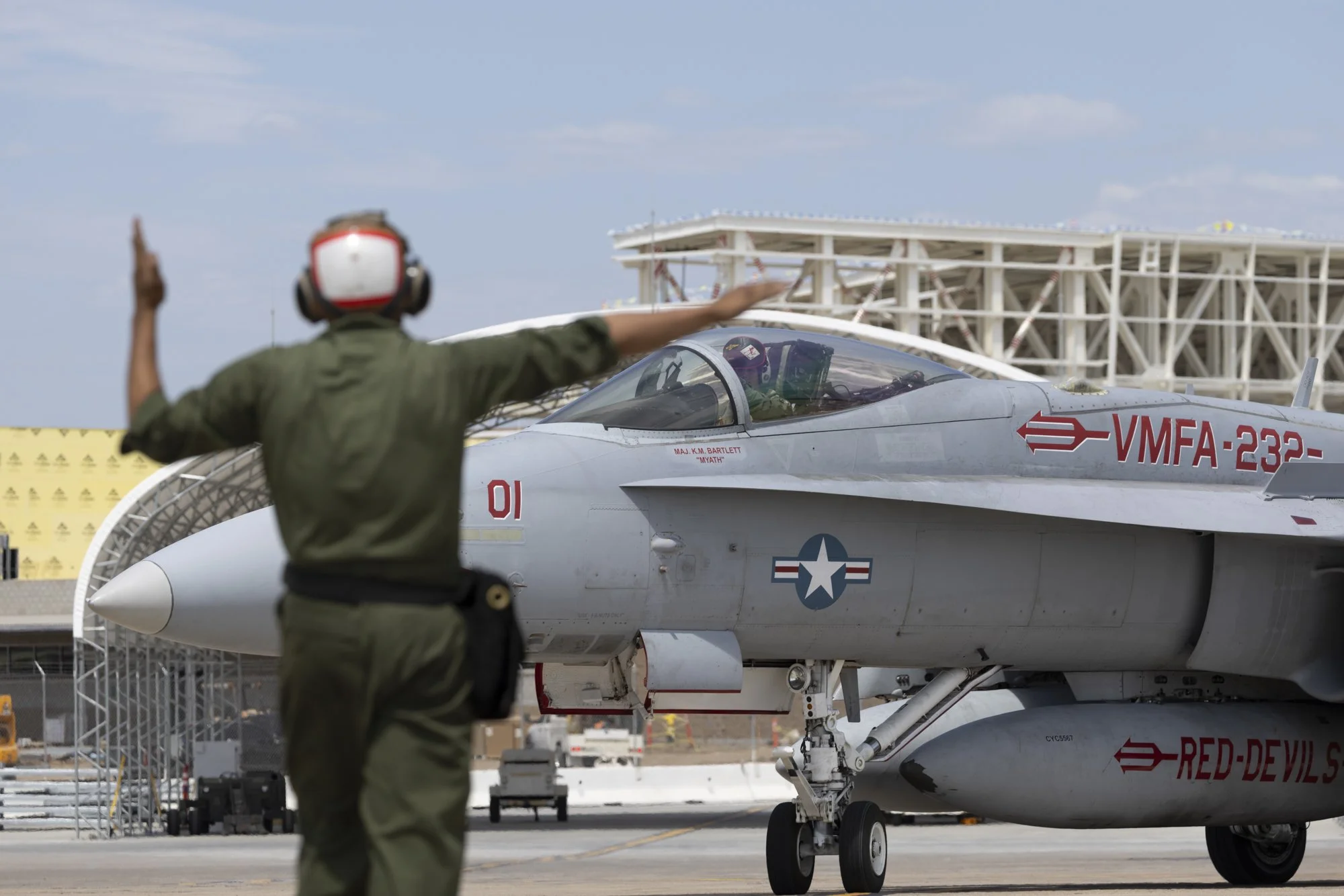
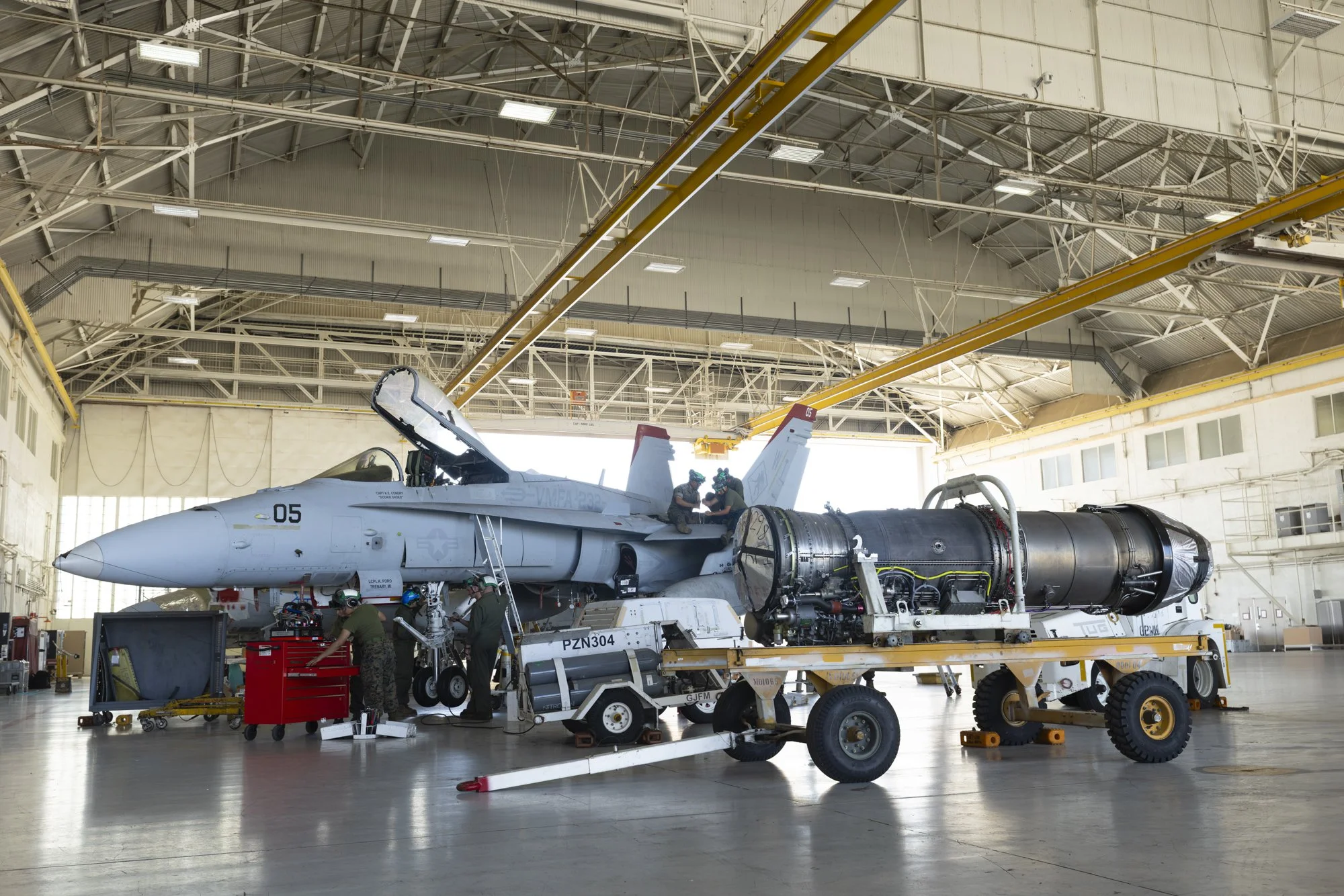
Over the last six months, CALLSIGN has been living in the Devils’ ecosystem. We spent a week at their home base at MCAS Miramar, watching legacy Boeing F/A‑18 Hornets get wrung through launch and recovery cycles as the squadron ground through its pre‑deployment workup. Days were split between the hangar—where young maintainers keep 20‑plus‑year‑old jets alive through sheer skill, stubbornness, and safety wire—the ready room, where callsigns, popcorn, and gallows humor glue the tribe together, and the Heritage Room, where a century of Devils stare down from the walls and quietly enforce the rule: don’t be the generation that drops the standard.
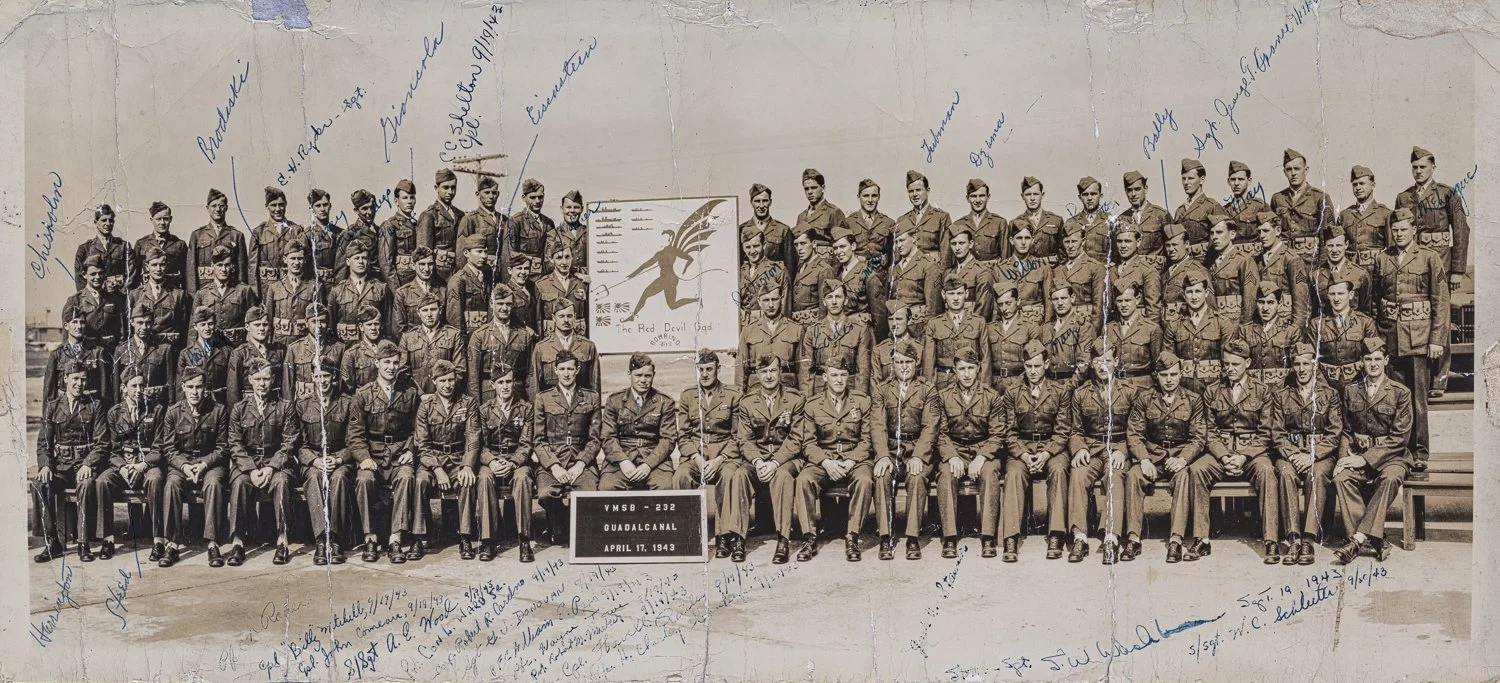
From there, the project stretches outward in time. We’re tracing the Red Devils’ lineage from Vought VE‑7 biplanes and Boeing FB‑series Hawks over China in the 1920s through Douglas SBD Dauntlesses clawing off Henderson Field at Guadalcanal; Grumman TBF Avengers hunting shipping in the Solomons; F6F Hellcats and F4U‑4 Corsairs in the immediate postwar years; F9F Panthers, FJ‑2 and FJ‑4 Furys, and F‑8 Crusaders hauling the squadron into the jet age and through the sound barrier; F‑4B/J/S Phantoms grinding through Da Nang, Chu Lai, and Nam Phong; and, finally, the long legacy Hornet era—F/A‑18A/B/Cs screaming off Shaikh Isa into Iraqi flak in Desert Storm, orbiting over Baghdad in OIF, dropping danger‑close in Kandahar and Helmand, and hunting ISIS under a Middle Eastern night sky.
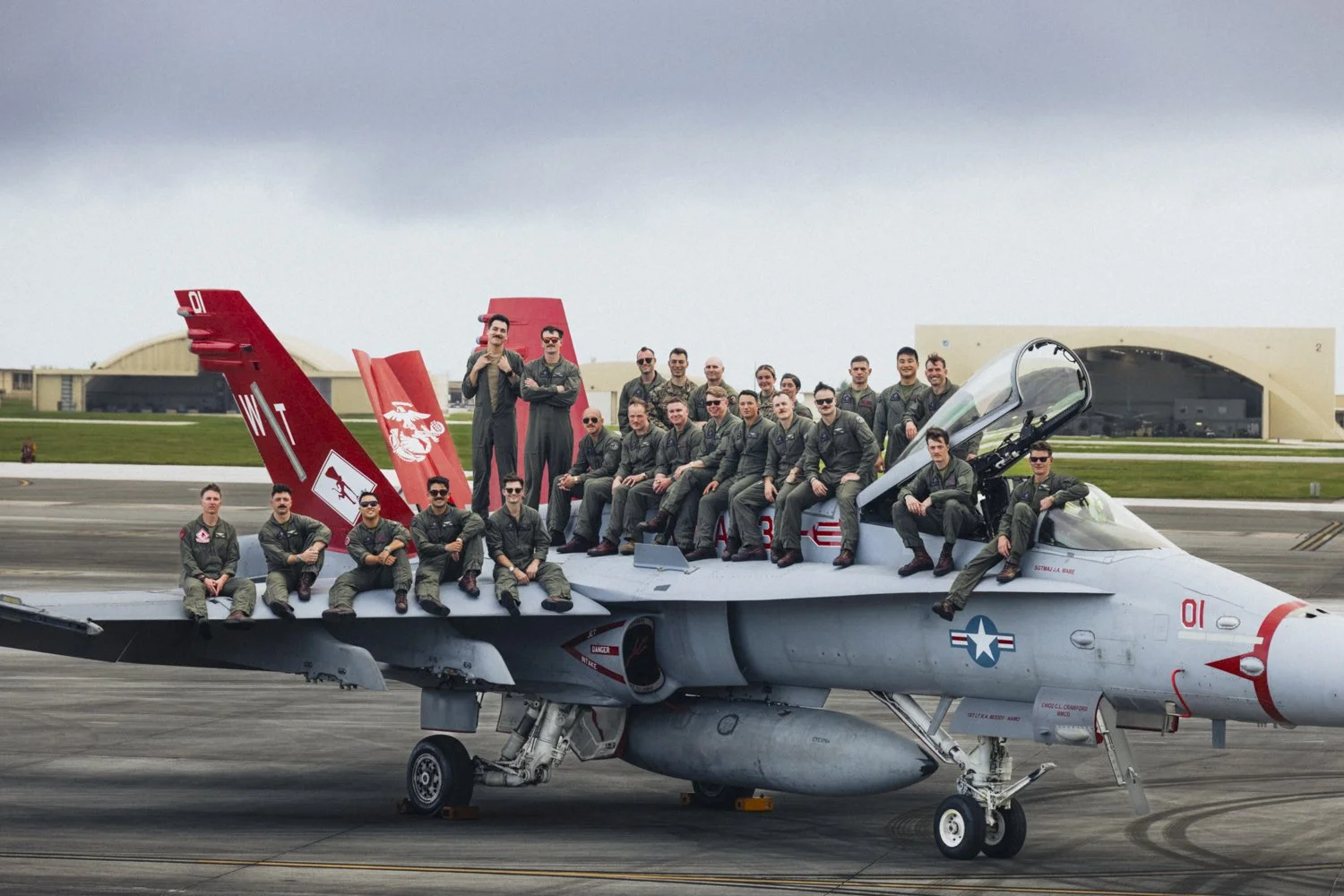
To tell that story right, we’re not just reading old books—we’re living it, diving deep into the squadron’s ecosystem to get to the heart of the story. We’ve been interviewing former pilots, NFOs, maintainers, and skippers across the decades—Head Devils like Gen William “SPIDER” Nyland, Gen Dan “KNUCKLES” Shipley, and LtCol Michael “DOZER” McMahon—along with rank‑and‑file Marines who turned wrenches, flew night sorties, and kept the culture alive between wars. We’re working under the authority of the current skipper, LtCol Steven “BARNEY” Suetos, and his Marines, who are letting us watch up close as they carry the patch into its second century.
We’re also partnering with the Flying Leathernecks Aviation Museum, digging into WWII‑ and Vietnam‑era squadron records and photo collections, and documenting the restoration of a Red Devils F‑4S Phantom, BuNo 157246, as it slowly returns to life in scarlet and gray. All of this will feed into a heavily visual, story‑driven issue—part oral history, part embedded reportage, part love letter to a squadron that seems to appear wherever the fight is worst, and somebody on the ground needs help.
If you wore the red devil patch and have stories from the aerial trenches, we’d be honored to hear from you. This project is about capturing your memories before they slip into myth, and putting them on heavy paper where future Devils—and future generations—can learn from them and be inspired.
At CALLSIGN Magazine, we care deeply about legacy, and our mission is to tell great American military aviation stories with accuracy and respect, preserving them so they can be remembered and learned from for generations to come.

INTERVIEWS